
Japan drops 'deflation' from economic view as prices pick up
Says the prices are holding firm, economy likely approching end of deflation
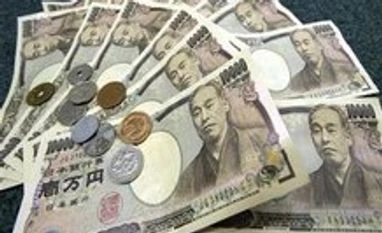 "Japan drops 'deflation' from economic view as prices pick up")
WebinarsNew
Deep DiveNew
Explore Business Standard
Says the prices are holding firm, economy likely approching end of deflation
Japan dropped the term "deflation" in describing its economy for the first time in four years amid signs of consumer prices picking up, an indication the government has made progress in its battle with 15 years of grinding price falls.
It said prices were holding firm, in a monthly economic report issued on Tuesday. That compared with saying the economy was approaching an end to deflation in its previous report.
This marks the first time "deflation" has not been used since November 2009, when it started describing the economy as being in mild deflation in the wake of the global financial crisis. It first used the word deflation in its monthly report in 2001.
Japan Prime Minister Shinzo Abe said said that the economy is making steady progress towards escaping deflation as the economic improvement continued to broaden.
Still, the government stopped short of declaring a victory in its battle against deflation, citing the possibility the economy may slide back into a trend of persistent price falls amid risks from overseas economies.
"Prices are holding firm and the situation is not deflationary," a Cabinet Office official in charge of compiling the report said, citing improvement in consumer inflation data.
The core consumer price index, which excludes prices of fresh food but includes oil products, rose 0.9% in October, marking a fifth straight month of gains and the biggest year-on-year growth since November 2008.
The so-called core-core inflation index, which excludes food and energy prices and is similar to the core index used in the United States, was up 0.3% in October from a year ago, marking the first rise in five years.
However, the official added that it was too early to say deflation had been beaten. The government would need to examine other indicators such as GDP deflator, output gap and unit labour costs to determine the price trend.
In the December report on Tuesday, the government also left its assessment of the overall economy unchanged, saying that it was on track for a moderate recovery.
It upgraded its assessment of private consumption, saying it was picking up, reflecting brisk demand for cars and other goods before a sales tax hike in April.
The government kept its views unchanged for other key components: exports, industrial output and business investments.
First Published: Dec 24 2013 | 8:44 AM IST


 Connect with us on WhatsApp