Judge OKs extradition for men accused of aiding Carlos Ghosn escape
Two American men accused of smuggling Nissan Motor Co. Chairman Carlos Ghosn out of Japan while he was awaiting trial on financial misconduct charges can be extradited, a federal judge ruled Friday
AP Boston Two American men accused of smuggling Nissan Motor Co. Chairman Carlos Ghosn out of Japan while he was awaiting trial on financial misconduct charges can be extradited, a federal judge ruled Friday.
U.S. Magistrate Judge Donald Cabell issued a ruling approving the extradition of Michael Taylor, a U.S. Army Special Forces veteran, and his son Peter Taylor, but the final decision rests with the State Department.
The Taylors are wanted by Japan so they can be tried on charges that they helped Ghosn flee the country last year with the former Nissan boss tucked away in a box on a private jet. The flight went first to Turkey, then to Lebanon, where Ghosn has citizenship but which has no extradition treaty with Japan.
Ghosn said he fled because he could not expect a fair trial, was subjected to unfair conditions in detention and was barred from meeting his wife under his bail conditions.
Ghosn has denied allegations that he underreported his income and committed a breach of trust by diverting Nissan money for his personal gain.
Bank records show Ghosn wired more than $860,000 to a company linked to Peter Taylor in October 2019, prosecutors said in court documents. Ghosn's son also made cryptocurrency payments totaling about $500,000 to Peter Taylor in the first five months of this year, prosecutors say.
The Taylors have been locked up in a Massachusetts jail since they were arrested in May. Their attorneys never denied the allegations, but argued they can't be extradited because they say their actions don't fit under the law with which Japan is trying to convict them.
Michael Taylor, a former Green Beret, ran a private security business initially focused on private investigations, but their caseload grew through corporate work and unofficial referrals from the State Department and FBI, including parents whose children had been taken overseas by former spouses.
In 2012, federal prosecutors alleged Taylor had won a U.S. military contract to train Afghan soldiers by using secret information passed along from an American officer. When Taylor learned the contract was being investigated, he asked an FBI agent and friend to intervene, prosecutors charged.
The government seized $5 million from the bank account of Taylor's company. Facing 50 charges, he spent 14 months in jail before agreeing to plead guilty to two counts. The government agreed to return $2 million to the company as well as confiscated vehicles.
(Only the headline and picture of this report may have been reworked by the Business Standard staff; the rest of the content is auto-generated from a syndicated feed.)

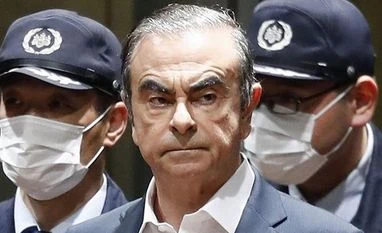 "Judge OKs extradition for men accused of aiding Carlos Ghosn escape")

