
Sri Lanka secures China assurances to clear way for $2.9 bn IMF bailout
The IMF bailout process made slow progress due to the need to restructure Sri Lanka's nearly 50 billion dollar external debt
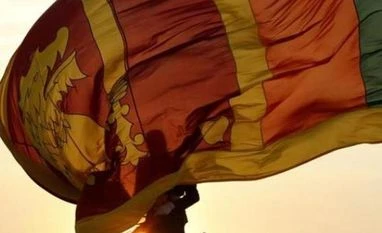 "Sri Lanka secures China assurances to clear way for $2.9 bn IMF bailout")
WebinarsNew
Deep DiveNew
Explore Business Standard
The IMF bailout process made slow progress due to the need to restructure Sri Lanka's nearly 50 billion dollar external debt
China has given assurances that it will support Sri Lanka's debt restructuring, clearing the biggest hurdle for the debt-ridden country to secure a much-needed USD 2.9-billion bailout package from the IMF, President Ranil Wickremesinghe said on Tuesday.
In January, India strongly backed the island nation's efforts to secure a loan from the global lender to recover from its worst-ever economic crisis.
Last night we received a new letter from the EXIM Bank of China. I and the governor of the Central Bank signed our letter of intent and sent it to the International Monetary Fund (IMF) last night itself," Wickremesinghe, who is also the minister of finance, told Parliament.
Wickremesinghe said, our part of obligations are now complete and we hope the IMF will do their duty by the third or fourth week of this month, this will enable us to receive funding from the world bank and the ADB, he added.
The IMF bailout process made slow progress due to the need to restructure Sri Lanka's nearly 50 billion dollar external debt.
A previous Chinese letter giving a two-year moratorium on debt repayment had been deemed inadequate by the IMF.
Wickremesinghe said the IMF programme which will be there for over the next four years would be different from all of the previous 16 programmes with the Washington-based global lender.
He said the government has to take many hard economic decisions in order to stabilise the economy and work towards growth.
The government measures to order tax hikes, raise utility tariffs and end fuel subsidies had triggered political protests. I would like to apologise to the people for the hardships, he said.
The IMF in September last year approved Sri Lanka a 2.9 billion dollar bailout package over 4 years pending Sri Lanka's ability to restructure its debt with creditors -- both bilateral and sovereign bondholders.
By the end of June 2022, Sri Lanka owed nearly USD 40 billion to bilateral, multilateral and commercial loans, according to the figures released by the Treasury.
Chinese loans amounted to 20 per cent of the total debt owed and 43 per cent of the bilateral loans.
Sri Lanka in April declared its first-ever debt default in its history as the economic crisis since independence from Britain in 1948 triggered by forex shortages sparked public protests.
Months-long street protests led to the ouster of the then-president Gotabaya Rajapaksa in mid-July. Rajapaksa had started the IMF negotiations after refusing to tap the global lender for support.
Sri Lanka has introduced painful economic measures such as tax hikes and utility rate hikes. Trade unions and opposition groups have organised protests against such measures.
(Only the headline and picture of this report may have been reworked by the Business Standard staff; the rest of the content is auto-generated from a syndicated feed.)
First Published: Mar 07 2023 | 3:08 PM IST


