Indian jute sector jittery as China offers Bangladesh help
Last year, the country imported 33,737 tonnes of viscose fibre - a good portion of which originated in India
Kunal Bose Kolkata Bangladesh is on the cusp of a major breakthrough in the textile sector as China, in its pursuit of strengthening economic ties with south Asian countries, has made an offer of technology and finance to Dhaka for building a plant to make viscose fibre from jute. Viscose made from cellulose fibre found in trees by way of a complex chemical treatment is softer than cotton with good moisture-absorbing properties.
“If the plant materialises, then Bangladesh will not have to spend anything between 700 and 800 crore taka annually for import of viscose material. We understand that last year, the country imported 33,737 tonnes of viscose fibre — a good portion of which originated in India. Both Grasim Industries and its Thailand arm Thai Rayon are regular exporters of viscose staple fibre to Bangladesh, where it is spun into yarn in local spinning mills,” says a jute industry official here.
The 150-year-old Indian industry is jittery about Bangladeshi factories revving up productivity with Chinese assistance. Bangladeshi mills have seen a flurry of activity in recent months, including a visit by an expert team from Bangladesh to some viscose plants in China for an exposure to “carbon/charcoal-based viscose manufacturing process”.
A minutes of document (MOD) was recently signed by the Bangladesh Jute Mills Corporation (BJMC) and China’s Textile Industrial Corporation for foreign economic and technical corporation to take the jute viscose project forward. While capacity and location of the viscose plant will be based on an expert report, BJMC has hinted that the proposed plant will need a minimum investment of 1,000 crore taka (about Rs 850 crore). The project will be a boon for the country’s jute economy since value addition to the raw material, when converted into viscose, will be substantially more than when either used in traditional jute mills or exported. Bangladesh is not only the world’s second largest producer of raw jute after India, but unlike the latter, it is left with considerable amount of surplus fibre after providing for conversion into jute goods by local integrated jute factories and spinning mills.
In a year marked by bountiful rains, Bangladesh will harvest a jute crop of eight million bales of 180 kg each, which will leave an exportable surplus of one million bales. Where the country scores over India is in the superior quality of its fibre helped principally by plentiful availability flowing water in rivers, streams and canals in jute-growing centres for fibre retting. India is a regular importer of good quality jute from Bangladesh for the purpose of blending with coarser local fibre. The viability of the proposed viscose plant in Bangladesh will be underpinned by assured supply of good quality jute and a big domestic market for the final product, say observers here.
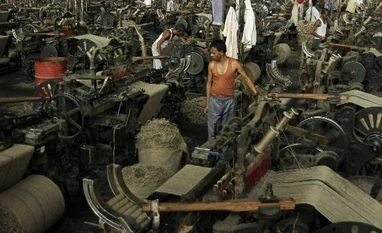
The official quoted earlier said: “India must not overlook the chapter of MOD where China makes the commitment for ‘balancing, modernisation, rehabilitation and expansion’ of the 24 jute mills belonging to the government-owned BJMC. The mills are 60-70 years old and they all need funds and technology inputs for modernisation. In the past one decade, the Corporation lost money every year except in 2010-11 when it managed to break even. Regular release of government funds for buying raw jute and paying wages to employees and mounting bank debts are keeping BJMC mills afloat.”
The Chinese rescue act for the ailing jute sector, which provides livelihood to nearly 25 million people in jute-related activities from growing of fibre to its processing in factories to handling and trading will earn Beijing much goodwill to India’s discomfort. Dhaka gives liberal subsidy to jute goods exports. If with China’s help, mills in Bangladesh are able to improve product quality and reduce mill conversion cost, then that would further impinge on India’s capacity to export jute goods.
Advantage Dhaka
- If the viscose plant materialises, Bangladesh will not have to spend anything between 700 and 800 crore taka annually for import of viscose material
- Last year, the country imported 33,737 tonnes of viscose fibre — a good portion of which originated in India
- Mills in Bangladesh have seen a flurry of activity in recent months, including a visit by an expert team from Bangladesh to viscose plants in China

 "Indian jute sector jittery as China offers Bangladesh help")

