Oil prices are expected to remain subdued in the near term, although they are likely to be at relatively high levels during the year. The latest analysis by Natixis, a London-based investment bank, says that prices are likely to remain subdued during the second quarter of calendar 2018, but will start rising thereafter. Brent Crude touched a high of $70 per barrel in mid-January this year, but from there it shed as much as 10 per cent and is now trading at around $63.
Natixis says, “The wind has been taken out of crude’s sails somewhat in recent weeks, moving away from the highs of late January.”
The firm says the correction was sparked by the retracement in equity markets, though fundamental factors have acted to stop any further significant breakout. "As such, Brent has moved with the S&P 500 index and the US dollar to a lesser extent, as it seeks a stronger signal from the fundamentals. Weakness in the physical market and the continued strength of the US upstream sector are the main culprits. We expect this to last until the end of Q2. Afterwards oil prices will start firming up," the Natixis analysis says.
There could be some volatility going forward. Higher oil prices have been behind the rise in gasoline prices, according to a report by FocusEconomics, an economic research think tank. It may be noted, Crude oil alone makes up for 70 per cent of gasoline prices.
Oil prices have been coming under pressure mostly due to soaring oil production in the United States, which reached its highest mark since the early 1970s in the first few weeks of this year, says the FocusEconomics report.
Globally, it is estimated that more than 90 million barrels are produced and consumed per day. Brent and WTI are two major trading classifications of crude oil and serve as the two major benchmarks for pricing globally. However, Brent has been adopted increasingly as the preferred benchmark in recent years. According to ICE Futures, it is estimated that 60 per cent of the world’s traded oil is Brent.
The global oil market is rapidly rebalancing, and analysts consider that the worldwide oil glut has finally disappeared. Strong compliance with the oil-cap deal by Opec and non-Opec members, collapsing production in some countries such as Venezuela and maintenance efforts are limiting global supply.
Moreover, global growth remains strong and will likely remain on a solid footing throughout this year, as emerging-market economies start compensating for slowing growth in advanced economies, says FocusEconomics.
The latest data suggests US shale oil producers are quickly ramping up production, threatening to jeopardise the efforts of the oil-cap deal participants. This will result in the upward trend continuing but at a much weaker pace. Moreover, the oil-cut deal expires at the end of December 2018. If it is not extended, it will certainty imply more oil into the markets by participants in 2019, says Ricard Torné Head of Economic Research in the report.

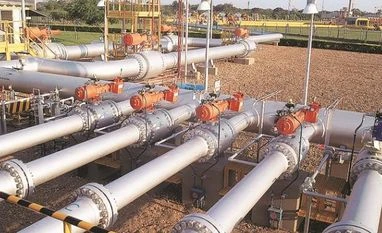 "Oil prices to remain subdued in near term due to rising output in US")











