RBI policy calms bond, equity markets. How analysts interpret the decision

The RBI's dovish stance has also provided comfort to the unnerved bond and equity markets.
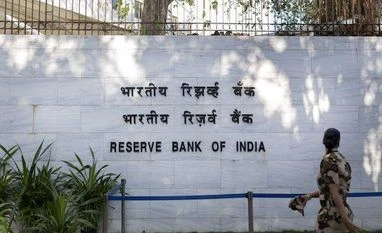
RBI, reserve bank of india
Harshita Singh New Delhi
4 min read Last Updated : Feb 10 2022 | 11:44 AM IST
The Reserve Bank of India's decision to keep key policy rates unchanged came as opposed to market's expectations. The RBI's dovish stance has also provided comfort to the unnerved bond and equity markets.

The six-member rate panel, which has been on pause since August 2020, retained its accommodative policy stance with a 5-1 vote, Das said, signaling the economy needed continued support despite accelerating inflation. While retaining the accommodative stance, he reiterated the “as long as necessary” language used since October 2019. READ ABOUT IT HERE

Here's what top analysts make of the policy announcement:

Dr. Aurodeep Nandi, India Economist and Vice President at Nomura

Sometimes markets expect dessert, but then realize that the main course is still not over. The market was broadly expecting a drawdown of ultra-accommodative monetary policy by a partial restoration of the repo-reverse repo rate corridor, with some even expecting forward guidance on further monetary policy normalisation. Instead the RBI surprised by not only doubling down on its now familiar orthodoxy of keeping rates and stance unchanged, but also expressed a very dovish outlook for inflation for FY23, forecasting it at 4.5%. This comes despite higher oil and commodity prices, growth-supporting fiscal policy, continued economic normalisation, and a distinctly hawkish Federal Reserve. This suggests that the RBI is likely to remain behind the curve, until macro circumstances warrant a shift of gears.


Aditi Nayar, chief economist, ICRA

The tone of the policy review appeared sanguine on domestic inflation and cautious on growth, with a view to not sacrificing the latter in a futile attempt to control imported inflation. With the tone being more dovish than expected leading to a back-ending of rate hike expectations, and the comeback of the reference to an orderly evolution of the yield curve, the 10-year G-sec yield cooled back to pre-budget levels. We continue to expect the 10-year yield to cross 7.0% in April 2022, once the FY2023 borrowing programme kicks off. However, it is likely to climb more slowly thereafter, given the postponement in the likely timing of the first repo rate hike to August 2022 or later, from our earlier expectation of June 2022.

Madan Sabnavis, chief economist, Bank of Baroda

It is not surprising that bond yields have come down as such a dovish view was definitely not expected in the policy. Against this background, the decision to keep all rates unchanged is indicative not just of status quo today, but also lower probability of change in the coming year unless there is substantial change in the projections of GDP and inflation. READ THE FULL VIEWS HERE

Madhavi Arora, Lead Economist, Emkay Global

The gradualist approach toward liquidity and rate normalization may be challenged by various global and domestic push-and-pull factors. Nonetheless, a huge bond supply in FY23 (even with upside surprise on tax revenues) will require the RBI’s invisible hand in a more visible fashion, implying return of pre-committed GSAPs going ahead. An uncomfortable RBI may neutralize that with CRR hikes, albeit it will face some communication challenges.

The macro adjustment owing to changing global and domestic dynamics has so far been borne by the rates market while the FX market has been resilient. Amid ultra-elevated term premia, India’s current real rates look reasonable vs. EMs, given the present crosscurrents. This could give some leeway to the RBI to conduct shallow normalization.

Suvodeep Rakshit, Senior Economist, Kotak Institutional Equities

Inflation risks, especially from fuel prices, remain a concern and can materialize relatively soon. Compared to RBI estimates, we estimate FY2023 GDP growth 30 bps higher at 8.1% and FY2023 CPI inflation 50 bps higher at 5%. We believe it would be opportune to increase reverse repo rate hike by 40 bps in the April policy

One subscription. Two world-class reads.

Already subscribed? Log in

Subscribe to read the full story →
*Subscribe to Business Standard digital and get complimentary access to The New York Times

Smart Quarterly

₹900

3 Months

₹300/Month

SAVE 25%

Smart Essential

₹2,700

1 Year

₹225/Month

SAVE 46%
*Complimentary New York Times access for the 2nd year will be given after 12 months

Super Saver

₹3,900

2 Years

₹162/Month

Subscribe

Renews automatically, cancel anytime

Here’s what’s included in our digital subscription plans

Exclusive premium stories online

  • Over 30 premium stories daily, handpicked by our editors

Complimentary Access to The New York Times

  • News, Games, Cooking, Audio, Wirecutter & The Athletic

Business Standard Epaper

  • Digital replica of our daily newspaper — with options to read, save, and share

Curated Newsletters

  • Insights on markets, finance, politics, tech, and more delivered to your inbox

Market Analysis & Investment Insights

  • In-depth market analysis & insights with access to The Smart Investor

Archives

  • Repository of articles and publications dating back to 1997

Ad-free Reading

  • Uninterrupted reading experience with no advertisements

Seamless Access Across All Devices

  • Access Business Standard across devices — mobile, tablet, or PC, via web or app

Topics :RBI monetary policyRBI PolicyRBIMPC meetMPCmonetary policyCPI InflationMarketsstock marketsBond markets

Next Story



