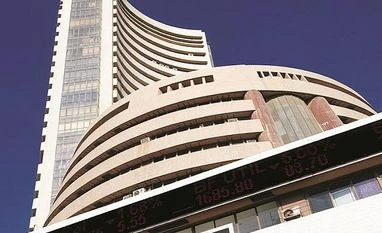
The benchmark indices hit fresh highs on Thursday as earnings reports of information technology (IT) majors and positive macroeconomic data released this week kept investor sentiment buoyant. The positive mood helped offset concerns about imminent interest rate hikes by the US Federal Reserve following the stronger-than-expected consumer inflation data in the US.
Gaining for the sixth straight session, the Sensex rose 569 points, or 0.9 per cent, to end at 61,306. The Nifty, on the other hand, surged 177 points to end the session at 18,338.
The strong numbers posted by Infosys, Wipro, and Mindtree dissipated worries that arose after TCS's results. "The strong performance by Infosys and Wipro offered comfort after a sub-par performance of TCS weighed on the overall IT index. The RBI (Reserve Bank of India) policy meeting outcome last week was quite balanced, and it continued to sound dovish despite announcing measures for absorbing excess liquidity," said Binod Modi, head of strategy at Reliance Securities.
The RBI’s dovish stance, reports of an emergency nod for the Covid-19 vaccine for children, and the International Monetary Fund’s projections that India would retain its fastest-growing economy tag fuelled positive sentiments during the week. Both the benchmark indices ended the truncated week with more than 2 per cent gains.
Globally, stocks rose as the earnings season reassured investors of the economic recovery despite inflation pressures.
The US consumer inflation numbers strengthened the case for an early start for the Federal Reserve's bond-buying programme. Investors are now keenly watching the US central bank to come up with a timeline for interest rate hikes. The minutes of the Federal Reserve's last meeting, published on Wednesday, said policymakers were ready to taper bond purchases by November.
After 18 months of easy monetary policy, several central banks such as South Korea, New Zealand, and Singapore have tightened the liquidity tap amid concerns about high inflation.
Going forward, analysts said retail investors are likely to drive the markets further since there are no triggers for a sharp fall in the short term. Moreover, a normal monsoon and confidence in disinvestment after Air India's sale have restored faith in the Indian economy's resilience post the second wave of Covid-19. However, stretched valuations continue to be a cause for concern.
“Domestic sentiment is getting supported by the government's measures to address some of the impending issues across various sectors. The focus is on promoting domestic manufacturing and infrastructure building. Also, the successful privatisation of Air India has a dual benefit in the form of better valuations for the PSU pack. It would lead to better availability of resources for the government to deploy it more productively,” said Milind Muchhala, executive director, Julius Baer.
The market breadth was mixed, with 1,696 stocks declining and 1,658 advancing. Two-thirds of the Sensex stocks rose.
Auto stocks fell after five days of rally, and the BSE Auto index was down 0.7 per cent. Realty stocks rose amid low-interest rates and rising real estate prices. Though a near-halt in economic activity post Covid hit real estate developers, they could bring down their debts in the last 18 months.

 "Sensex, Nifty log new fresh highs on IT sector earnings, macro data")












 Connect with us on WhatsApp