The missing MPC

Delay in appointing external members sends a wrong signal
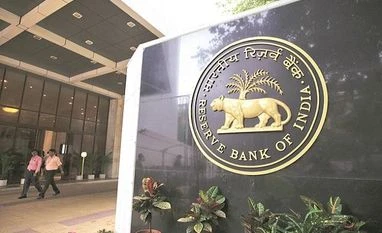
RBI, reserve bank of india
Globally, central banks are funding the stimulus through their “unparalleled expansion of central bank balance sheets, unbridled by conscience-keeping inflation.
Business Standard Editorial Comment New Delhi
3 min read Last Updated : Sep 30 2020 | 1:20 AM IST
The Reserve Bank of India (RBI) had no option but to postpone the monetary policy committee (MPC) meeting a day before it was to start because the government was unable to appoint three new independent external members. The search committee has reportedly zeroed in on the names, but the process is held up due to some procedural requirements. It is puzzling that the government could not complete the process in time because it was known on the day of the constitution of the MPC in 2016 as to exactly when the term of the external members will end.

Moreover, in a situation when there is so much economic uncertainty, the government should have been more proactive in avoiding this fiasco. Besides affecting the credibility of the central bank, the delay in appointment gives an impression that the Indian policy establishment is simply not prepared to deal with evolving challenges. Ideally, the government should have appointed the external members at least a few weeks in advance, which would have given them time to study the economic situation and policy prospects in detail. While it can be argued that the delay will not change much in terms of policy, it is worth asking what if the term of the external members ended a few months ago. A postponement would have severely affected the RBI’s ability to support the economy at a time when monetary policy was expected to do most of the heavy lifting. The government must complete the appointment process at the earliest. 

In terms of policy action, most economists expect the rate-setting committee to leave the policy rate unchanged this time. Inflation has been running above the target band of the central bank for several months. Further, liquidity in the system continues to remain in excess, which can affect inflation outcomes. Since capital flows are expected to remain in surplus in the near term, the RBI’s intervention in the currency market will add rupee liquidity. In this context, the central bank would do well to explain as to how far it would allow the rupee to appreciate to contain imported inflation. Although liquidity and currency management are not part of the MPC’s mandate, they can affect inflation outcomes. Thus, the committee should carefully evaluate the associated risks. 

Additionally, the government is reportedly examining the possibility of another stimulus to revive demand. It would make sense for the MPC to wait for more clarity on the fiscal stance before making the next policy move. This would also be important for the RBI as the government’s debt manager, especially at a time when it is not able to sell government bonds at the desired price. A significant increase in government borrowing and sustained higher inflation would affect the efficacy of monetary policy in supporting economic activity. The markets would also expect the central bank to provide inflation and growth forecasts, which it has avoided since the outbreak of the pandemic. It is important to see how the central bank expects inflation and growth to evolve in the coming quarters, particularly in the present situation. This will lend credibility to its decision and help anchor expectations.  


One subscription. Two world-class reads.

Already subscribed? Log in

Subscribe to read the full story →
*Subscribe to Business Standard digital and get complimentary access to The New York Times

Smart Quarterly

₹900

3 Months

₹300/Month

SAVE 25%

Smart Essential

₹2,700

1 Year

₹225/Month

SAVE 46%
*Complimentary New York Times access for the 2nd year will be given after 12 months

Super Saver

₹3,900

2 Years

₹162/Month

Subscribe

Renews automatically, cancel anytime

Here’s what’s included in our digital subscription plans

Exclusive premium stories online

  • Over 30 premium stories daily, handpicked by our editors

Complimentary Access to The New York Times

  • News, Games, Cooking, Audio, Wirecutter & The Athletic

Business Standard Epaper

  • Digital replica of our daily newspaper — with options to read, save, and share

Curated Newsletters

  • Insights on markets, finance, politics, tech, and more delivered to your inbox

Market Analysis & Investment Insights

  • In-depth market analysis & insights with access to The Smart Investor

Archives

  • Repository of articles and publications dating back to 1997

Ad-free Reading

  • Uninterrupted reading experience with no advertisements

Seamless Access Across All Devices

  • Access Business Standard across devices — mobile, tablet, or PC, via web or app

Topics :Reserve Bank of Indiamonetary policy committeeIndian Economy

Next Story



