Q. We have been using the Incoterms FOB, CIF and CFR for all modes of transport, without any problem. Now, in your article ‘Revised Incoterms take effect from Jan’ (Business Standard, October 14, 2019), you say that the terms FAS, FOB, CFR and CIF should be used only for transport by water from port to port, whether through ocean-going vessels, river barges or a combination, and that these terms should not be used for container shipment (even if carried by ships), other modes of transport (e.g. air or road) or multi-modal transport, for which other terms such as FCA, CIP, CPT, etc, must be used. We are confused. Please clarify.
Incoterms clearly define the obligations of the seller and buyer, when the risk passes from seller to buyer and who bears what costs. These are very useful to the parties to a sales contract, the courts, arbitrators, etc. when there is a dispute regarding the said obligations or risks or costs. So, the need to use the correct Incoterms cannot be overstated. The terms FAS, FOB, CFR and CIF clearly define these obligations in the context of transport by water from port to port, whereas the terms FCA, CIP and CPT specify the obligations for shipments by multi-modal and other modes of transport.
Q. What is the difference between Delivery at Terminal (DAT) in the Incoterms 2010 and Delivery at Place Unloaded (DPU) in Incoterms 2020?
In the guidance notes to Incoterms 2010, “terminal” included “any place, whether covered or not, such as a quay, warehouse, container yard or road, rail or air cargo terminal”. The trade, however, took DAT to mean a restricted reference to only some form of transport terminal where the seller will deliver the cargo and from where the buyer would collect the cargo, after completing any regulatory formalities.
The DPU now replaces the DAT to cover delivery at any destination outside the terminal also. That is the main difference between DAT and DPU. This is helpful, for example, when some cargo, such as capital goods, has to be delivered at site. Also, DPU requires the seller to unload the cargo at the named destination. In that sense, it differs from DAP (Delivers at Place) also, which does not place on the seller the obligation to unload the cargo.

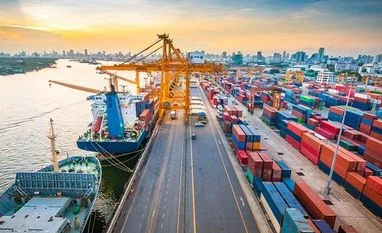 "Need for correct Incoterm usage can't be overstated, says expert")












 Connect with us on WhatsApp