Are EU-rejected mangoes safe for India?
The real problem is our farming culture. Farmers use various substances to enhance the size and look of fruits
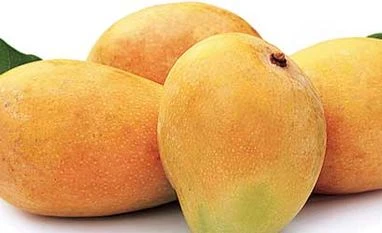
Ranjita Ganesan Mumbai Recently, much of Europe has been forced to see mangoes as a forbidden fruit rather than the king of fruits. The European Union (EU) banned the import of mangoes and four vegetables from India starting May 1 after fruit flies were detected in 207 consignments. While the decision left Indian exporters and European importers disappointed, local consumers were jubilant as a supply glut caused prices of the luscious premium Alphonso to nearly halve. Gradually though, that revelry has given way to a debate on the quality of fruit sold in India. If they are deemed unfit in Europe, is it safe to eat mangoes here?
The adult fruit fly is a small but crafty insect. It lays its eggs beneath the skin of the immature mango, usually where the skin is already split. The eggs hatch when the fruit starts ripening; the maggots feed on the pulp and spoil it. Once the maggots leave the fruit, they are capable of piercing through other crops, thus starting the cycle again, says an Indian Council of Agricultural Research scientist who does not wish to be named. The fly is also known to feed on brinjal, bitter gourd, watermelon and tomatoes.
Eti Bhalla, chief dietician at Paras Hospital, Gurgaon, has been getting a number of enquiries from worried clients about whether they should buy mangoes this season. Unless the fruit fly is carrying a virus, it does not directly affect human health, she observes. The Mediterranean fruit fly, a more destructive species, is not prevalent in India. It can tunnel through and reduce fruits to hollow, inedible lumps, causing some countries to maintain strict quarantines against it. Fruit flies can be eliminated with the help of traps and by washing fruits in luke warm water after harvest.
Bhalla warns of another danger commonly associated with Indian mangoes - artificial ripening. Every summer, the United States Food and Drug Administration uncovers cases of traders using calcium carbide, which hastens the maturing process to a day or even a few hours. Most recent incidents were in Nashik and Chennai, where crates of mangoes each containing two-three pouches of the chemical were seized and destroyed. Calcium carbide has carcinogenic qualities and those who consume it risk inviting diarrhoea, mouth ulcers and possibly cancer. Since mango trees are biennial bearing (they yield heavily one year and very little in the next) traders use such tactics to get fruits in the market early and ensure profit.
To allay the EU's concerns about the presence of pests, the government had introduced new procedures for export-bound consignments - perishable items should be routed through recognised pack houses under the vigilance of the National Plant Protection Organisation. New Delhi also instructed its customs authorities to allow shipments only in wood containers that bear the specified stamps of the plant quarantine officials. But phytosanitary measures are only the tip of the iceberg, says Kedar Patwa, CEO of MangoUncle.com, which delivers mangoes in India and abroad. "The real problem is our farming culture. Farmers use various substances to enhance the size and look of fruits."
According to Patwa, farmers are often illiterate and concerned only with profit so "it is better to impose rules than educate." Rashmi Kanthi of Safe Harvest says small fertiliser shops often misguide farmers and stock banned chemicals. During research, she also found farmers using fungicides to fight pests. Safe Harvest, which markets non-pesticide products including cereals and spices, plans to work with fruit farmers too. While there are guidelines on permitted levels of pesticides, they are not monitored on the ground, notes Kanthi.
While shopping for fruit, dietician Bhalla says it is best to avoid ones that appear too big, shiny, even-coloured or which have cuts and bruises. Artificially ripened mangoes look mature on the outside but taste slightly raw. It is advisable to thoroughly wash and cut them into pieces before consumption. Many of these checks apply to other fruits and vegetables too. To those who can afford it, Bhalla recommends buying organic fruits.
Patwa points out that prices are also a concern. Prohibitive prices stop customers from choosing high-quality products. The ICAR scientist agrees, "We have the optional Agmark standards and the BSI standard which is mandatory. But the higher the standard, more expensive the fruit becomes." Indian consumers, he says, almost always go for cheaper varieties.

 "Are EU-rejected mangoes safe for India?")


 Connect with us on WhatsApp