
Apple's new Macs could revive the PC chip wars, benefit Qualcomm: Analysts
Apple will design the chips using Arm technology and have them manufactured by a partner, most likely Taiwan Semiconductor Manufacturing Co
 "Apple's new Macs could revive the PC chip wars, benefit Qualcomm: Analysts")
WebinarsNew
Deep DiveNew
Explore Business Standard
Apple will design the chips using Arm technology and have them manufactured by a partner, most likely Taiwan Semiconductor Manufacturing Co
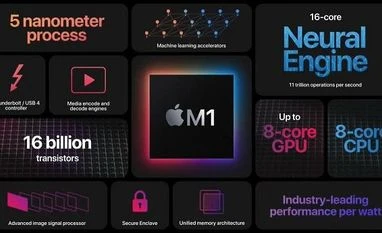
Apple Inc on Tuesday is expected to unveil new Mac computers using its own in-house processor chips, a move that could reignite a race to control the market for desktop and laptop chips and benefit players such as Qualcomm Inc.
The market has been dominated by Intel Corp and Advanced Micro Devices Inc since 2006, when Apple joined most other major computer makers in using chips based on Intel's 'x86' computing architecture.
On Tuesday Apple is expected to start a two-year process of ending its nearly 15-year relationship with Intel by introducing Mac computers with Apple-designed chips based on computing architecture technology from Arm Ltd, which Nvidia Corp has agreed to buy from SoftBank Group Corp in a $40 billion deal.
Apple will design the chips using Arm technology and have them manufactured by a partner, most likely Taiwan Semiconductor Manufacturing Co, which makes processors for Apple's iPhone. UK-based Arm's technology also powers most Android phones.
Apple's forthcoming machines already have competition from Qualcomm, which since 2016 has worked with Microsoft Corp to adapt the Windows operating system to Qualcomm's Arm-based processors.
Qualcomm and Microsoft have worked with PC makers such as Lenovo Group Ltd and Asustek Computer to sell laptops using the new chips, and Microsoft's own Surface Pro X released last year uses a Qualcomm processor.
Those devices are niche sellers today, but Apple's entry into the market is likely to grab consumer attention around the emerging technology shift, especially if Apple begins to develop chips that rival Intel's performance.
"Apple diving headstrong into Arm will speed this up," said Patrick Moorhead, founder of Moor Insights & Strategy.
Arm-based PCs have key differences from Intel-based machines. Because the chips are derived from smartphones where power consumption is a key concern, they tend to claim better battery life than conventional machines. Like smartphones, they also turn on quickly and can remain constantly connected to cellular data networks.
"Where the connectivity has shined is the work from home situation," said Miguel Nunes, senior director for product management at Qualcomm. "We see a lot of people realizing that their WiFi at home can't keep up with everything."
But hurdles remain for Arm-based PCs. Most software written in the past 20 years was for Intel machines, and until it is rewritten, it may have to rely on 'emulation' that could slow down apps.
Intel's chip lineup "enables people to use their favorite Windows applications without experiencing the potential performance penalties associated with running non-native apps on non-x86 architecture via Windows, or worry if their favorite applications will run on their platform," Intel said in a statement.
Ben Bajarin, principal analyst for consumer market intelligence at Creative Strategies, said the critical test for Arm-based computers will be whether developers rewrite software used by big businesses, which are still the largest purchasers of machines. Apple's entry to the market does not guarantee that will happen.
"Most of Apple's hardcore developer base is going to be using Apple's proprietary developer tools," he said. But with Microsoft also providing development tools for Windows on Arm, a broader shift "is not outside the realm of possibility."
(Only the headline and picture of this report may have been reworked by the Business Standard staff; the rest of the content is auto-generated from a syndicated feed.)
First Published: Nov 09 2020 | 5:44 PM IST


 Connect with us on WhatsApp