Dual-SIM handsets dominate, says Samsung
Demand for phablets, with screens between 5.6 and seven inches, is growing and is being preferred over tablets
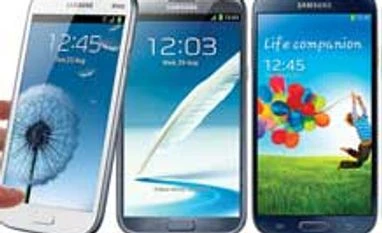
Katya B Naidu Mumbai Around 80-85 per cent of those looking for new handsets buy dual-SIM handsets, according to Samsung India. The South Korean company, which already sells 20 dual-SIM handsets, recently launched Galaxy Grand 2 eyeing these buyers.
Said Manu Sharma, director of mobiles: “One (reason) is to manage value for growing data needs of the consumers. They look at controlling costs by having an extra data card. Yet another reason is that many people travel a lot and in spite of reduced roaming charges, they prefer to have a local SIM card.”
Mobile number portability, allowing users to keep their numbers while switching circles or operators, was expected to reduce demand for dual-SIM handsets. However, increasind data use has helped these handsets make a comeback.
A telecom sector analyst said: “Some people prefer to use two SIM cards for the varied services that operators offer because the use of mobile phones has extended from voice calls to data services.” Samsung’s dual-SIM handsets range from under Rs 5,000 to Rs 22,250 (S4 mini, the most expensive).
Samsung has around 51 per cent share of the smartphone market. It is looking to maintain this position by localising content and providing new features. For instance, Galaxy Grand 2’s Club Samsung is a single repository of 5,000 movies, 400,000 songs and 500 gigs. Samsung has also tied up with Hungama to source Indian content.
Sharma said the screen size also influences buyers. Demand for phablets, with screens between 5.6 and seven inches, is growing and is being preferred over tablets, especially by enterprises.
“Users still prefer handsets which are handy, at the maximum possible screen size,” said Sharma. However, phablets are now being preferred by enterprise users who are purchasing them in bulk. Samsung which is a preferred consumer choice, currently has under ten% of its volumes coming from the enterprise market.
“There is interest in tablets and phablets in the enterprise market of government, education, finance and telecoms sector. We have Bring Your Own Device (BYOD) programmes where we offer solutions by tying up with software providers like customer relationship management (CRM) and enterprise resource planning (ERP),” said Sharma.

 "Dual-SIM handsets dominate, says Samsung")


 Connect with us on WhatsApp