Evonik and AkzoNobel begin work on membrane electrolysis plant in Ibbenburen
The new facility will have an annual nameplate capacity of around 130,000 metric tonnes of potassium hydroxide solution and approximately 82,000 metric tonnes of chlorine
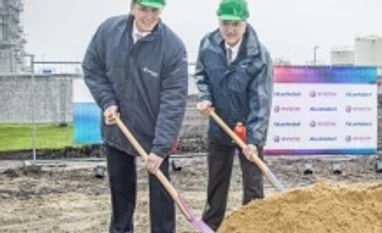
Evonik, AkzoNobel, membrane electrolysis, potassium hydroxide, chlorine, Ibbenburen Evonik and AkzoNobel officials at the groundbreaking ceremony for new plant in Ibbenburen, Germany
Evonik and AkzoNobel broke ground on January 15, 2016 to officially start the construction of the new membrane electrolysis plant in Ibbenburen, Germany. The new facility is due to come on stream by the fourth quarter of 2017, with an annual nameplate capacity of around 130,000 metric tonnes of potassium hydroxide solution and approximately 82,000 metric tonnes of chlorine. The two chemical companies established a production joint venture in June 2015 for the manufacture of chlorine and potassium hydroxide solution at the AkzoNobel site in Ibbenburen.
“This joint venture will secure our future position in the potassium derivatives business. We have found an efficient and sustainable solution to keep on delivering for our customers,” remarked Ralph Sven Kaufmann, member of the executive board of Evonik Industries AG and chief operating officer.
Werner Fuhrmann, member of AkzoNobel’s executive committee responsible for specialty chemicals, added, “The state-of-the-art plant we are building will set a new benchmark for the production of chlorine and potassium hydroxide solution. It will improve the ecological footprint of every ton of chlorine we produce in Ibbenburen by 25 to 30 percent. This will result in less energy use and fewer CO2 emissions, while there will also be clear benefits for the local chemical cluster.”
After the completion of the membrane electrolysis, Evonik will take the new plant’s potassium hydroxide solution for commercialisation and processing at its own site in Lulsdorf, where it processes potassium hydroxide solution into potassium carbonate (potash). AkzoNobel will commercialise the chlorine and hydrogen produced as a result of electrolysis at the new plant, or will process these products directly at the Ibbenburen site. All previous production of chlorine, potassium hydroxide and caustic lye using mercury-based amalgam electrolysis has to be discontinued by the end of 2017 due to legislative requirements.

 "Evonik and AkzoNobel begin work on membrane electrolysis plant in Ibbenburen")

