
Chennai-Vladivostok maritime corridor becomes operational, says Sonowal
The Eastern Maritime Corridor is estimated to reduce the time required to transport cargo between the Indian and Russian Ports of the Far East Region by up to 16 days
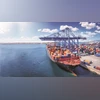 "Chennai-Vladivostok maritime corridor becomes operational, says Sonowal")
Explore Business Standard

Associate Sponsors
Co-sponsor
The Eastern Maritime Corridor is estimated to reduce the time required to transport cargo between the Indian and Russian Ports of the Far East Region by up to 16 days
The Chennai-Vladivostok maritime corridor, which is likely to boost maritime ties between India and Russia, is operational now, and container ships carrying crude oil, metal and textile have started coming to Indian ports, Union Minister Sarbananda Sonowal said on Monday.
The Chennai-Vladivostok sea route will cover a distance of about 5,600 nautical miles.
"The Eastern Maritime Corridor between Vladivostok and Chennai is operational now. Container ships carrying crude oil, metal and textile have started coming to Indian ports," Sonowal told reporters here.
The Eastern Maritime Corridor is estimated to reduce the time required to transport cargo between the Indian and Russian Ports of the Far East Region by up to 16 days. The time taken will come down to 24 days compared to more than 40 that it currently takes to transport goods from India to Far East Russia via Europe.
The current trade route between Mumbai and St Petersburg in Russia covers a distance of 8,675 nautical miles, and the time taken for transportation is around 35 to 40 days.
A large container ship that travels at the normal cruising speed of 20-25 knots (37-46 kilometres/hour) will be able to cover this distance in approximately 10 to 12 days. This corridor holds immense potential to unlock new opportunities for trade and cooperation.
Vladivostok is the largest Russian port on the Pacific Ocean, and it is located about 50 kilometres from the China-Russia border.
On the sidelines of Sagarmanthan, the Minister of Ports, Shipping and Waterways participated in a bilateral meeting with Christos Stylianides, Minister of Maritime Affairs and Insular Policy of Greece.
The two leaders discussed an array of topics and agreed to deepen the maritime relationship between the two countries.
Both leaders agreed to double the trade from the existing USD 1.94 billion by focussing on broadening, increasing, and balancing by 2030.
Speaking after the meeting, Sonowal said, "India is working with Greece to expand economic cooperation with the European Union market".
According to the official statement, the two maritime ministers also discussed and underscored the importance of the Joint Working Group (JWG) on maritime and shipping issues as important bilateral institutional mechanisms for consolidating sector-specific cooperation.
Both the leaders agreed to optimally use strategic maritime assets towards sustainable development, the statement added.
(Only the headline and picture of this report may have been reworked by the Business Standard staff; the rest of the content is auto-generated from a syndicated feed.)
First Published: Nov 18 2024 | 9:09 PM IST


