Home / World News / Cuba fuel crisis deepens as Trump tightens screws after Venezuela raid
Cuba fuel crisis deepens as Trump tightens screws after Venezuela raid
Washington's tariff threat against oil suppliers is squeezing Cuba's energy lifeline, grounding flights and forcing rationing measures as Havana seeks support from partners including Brics states
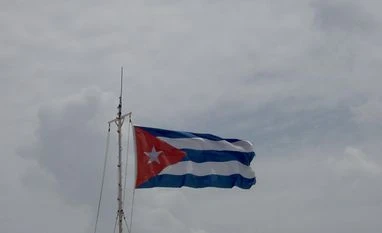
Trump has since described Cuba’s government as 'an unusual and extraordinary threat'. (Image: Wikimedia commons)
Cuba has warned international airlines that refuelling may no longer be possible at its airports as the island’s fuel shortage deepens, adding a fresh shock to tourism and daily life in a country already facing acute economic stress, CNBC reported. Air Canada has suspended flights to Cuba, citing an ongoing shortage of aviation fuel, and said it would operate empty flights to bring home roughly 3,000 customers already on the island.
The fuel squeeze has intensified after US President Donald Trump ratcheted up pressure on Havana in the wake of a January 3 military operation in Venezuela targeting President Nicolás Maduro, a long-time ally of Cuba’s government.
Trump has since described Cuba’s government as “an unusual and extraordinary threat” and pledged tariffs on any country supplying it with oil, a warning that has chilled potential shipments and tightened the squeeze on a system reliant on imported fuel.
Why Trump is tightening screws on Cuba
US pressure is aimed at raising the cost of sustaining Havana’s energy lifeline, particularly flows linked to Venezuela, while also discouraging third countries from stepping in. Analysts tracking the latest measures say the tariff threat is designed to deter would-be suppliers and compound the impact of existing restrictions.
The spillover is already visible. Reports of cancelled flights and disruptions to major events suggest how fuel scarcity can quickly hit tourism receipts and access to hard currency, both critical for maintaining basic services.
With Venezuelan supplies curtailed and alternative sources wary of US retaliation, Cuba’s government has moved to conserve fuel through rationing and emergency steps affecting transport, public services and parts of the state economy.
Cuban President Miguel Díaz-Canel condemned the US move and said: “Surrender is not an option.” He has also said the government is prepared to hold talks with Washington, albeit “without pressure or preconditions".
Pressure on Brics
The confrontation carries domestic and strategic value for Trump: it reinforces a hardline posture on Cuba and Venezuela while testing whether international partners will defy US tariff threats to keep Cuba supplied. It is also emerging as a credibility test for Brics, after Cuba became a “partner country” of the bloc from January 1, 2025, deepening ties with countries such as China and Russia.
Both China and Russia have rallied behind Cuba amid the deepening crisis.
Earlier this week, a spokesperson for China’s foreign ministry said that Beijing “stands firmly against the inhumane actions that deprive the Cuban people of their right to subsistence and development". Russia has called Havana’s fuel situation “truly critical” and said US attempts to pressure the country were causing "numerous problems", CNBC reported.
The United Nations has also warned the situation could worsen “if not collapse” if Cuba’s oil needs go unmet, signalling rising concern over humanitarian and stability risks as shortages ripple through essential services.
US aid to Cuba
However, amid escalating tensions over fuel shortages in Cuba, the US government last week announced an additional $6 million in humanitarian aid to Havana, reported Associated Press. The assistance, aimed largely at communities in the island’s eastern region still recovering from Hurricane Melissa, includes food staples such as rice, beans, pasta, canned tuna and solar lamps to be distributed through local charities like the Catholic Church and Caritas.

 "Cuba fuel crisis deepens as Trump tightens screws after Venezuela raid")


