Iran’s latest round of protests, which began in late December last year, amid a deepening economic squeeze, with rising prices, a weakening currency and disrupted trade pushing discontent into spaces that usually signal stress long before it becomes political. Since the protests began, in Tehran, shopkeepers shut their stores and activity slowed sharply inside the Grand Bazaar, where demonstrations over livelihoods escalated into clashes with security forces and chants against the political leadership, before spreading beyond the market and through the nation.
The bazaaris are merchants and shopkeepers who operate out of Iran’s traditional marketplaces, most notably the Tehran Grand Bazaar. For centuries, these markets have been more than commercial hubs. They have also functioned as political spaces, where collective action by traders, at key moments, has shaped national events.
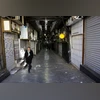
The Grand Bazaar, spread across more than 100 hectares, houses tens of thousands of shops selling everything from gold and copper to clothes and food. Its maze-like alleys remain one of the most recognisable symbols of Tehran’s old economy.
How did the Grand Bazaar become politically important?
The political influence of the bazaar has been active long before the Islamic Republic came into being. In the case of the 1891–92 Tobacco Protests, the merchants, along with Shia clerics, were the ones to take action against the concessions that had been given to a British company in regard to tobacco. Their shop closures created a situation that made it impossible for the Qajar monarchy to uphold the agreement and, therefore, it was cancelled eventually.
This partnership of the merchant class and the clergy came back into play during the period leading up to the Iranian Revolution of 1979. The bazaaris, who were disheartened by the Pahlavi dynasty and feared the spread of western-style department stores, provided the revolutionary clerics with both financial and organisational support, thus facilitating the arrival of the Islamic Republic.
What triggered the latest bazaar protests?
The turmoil in Iran’s capital started as the economic downturn began affecting shopkeepers in Tehran, forcing them to raise their voice. The protesting public moved to the Grand Bazaar and there were disturbances with riot police while anti-government slogans were being shouted. As the friction spread, traders in various places in the country went on brief strikes, and several shops were closed down.
Merchants say the protests are rooted in deep economic pressure, according to a report by the Financial Times. The Iranian currency has been subjected to a decline of around 40 per cent since its war with Israel last year and inflation reached over 42 per cent in December.
In the same context, the riots associated with the demonstrations have increased the cost of logistics while traders have been isolated from suppliers and real-time price data due to internet outages. Some bazaaris have raised prices to cope, while others say doing business has become prohibitively difficult, reported Al Jazeera.
Gold shops have been particularly affected, as their trade depends on live global market prices. Several such stores remained closed even after the bazaar reopened.
Do bazaaris still wield real power?
Today, the economic clout of bazaar merchants has been overtaken by large, state-linked conglomerates and institutions such as the Islamic Revolutionary Guard Corps, which control vast commercial interests in construction, energy and consumer goods, the Financial Times said.
Many of these businesses operate far from the old markets, from corporate towers in northern Tehran or overseas. Yet protests at the bazaar still carry symbolic weight, serving as a visible marker of wider economic and social distress.
How has the Iranian state responded?
Even though the authorities have taken many demonstrators into custody, there is no information about the arrest of shopkeepers. The government has made it clear that merchants and traders have genuine economic complaints and have been putting them in the category of “rioters” only to a certain extent.
Iran’s Supreme Leader
Ayatollah Ali Khamenei has described bazaaris as loyal to the political system, while acknowledging their concerns about currency volatility.
Why does the unrest still worry merchants?
Although demonstrations have paused in recent days and the Grand Bazaar has reopened under heavy security, with riot police and armoured vehicles deployed, the prospect of further instability and external threats, including statements by US President Donald Trump hinting at ‘intervention’, has heightened anxiety among small traders, the Financial Times said.
Many fear that prolonged unrest could push already strained businesses into bankruptcy, leaving them unable to pay rent or wages. However, even with their diminished economic power, the bazaaris’ actions remain a signal of pressure building within Iran’s economy and, subsequently, society.

 "Who are Iran's bazaaris, and why their protests still shake the regime")


 Connect with us on WhatsApp