


Ending a right: Challenging birthright citizenship won't end well for US
If Mr Trump indeed succeeds in rolling back birthright citizenship then it will stand as an epochal shift in American identity and in its role in the world
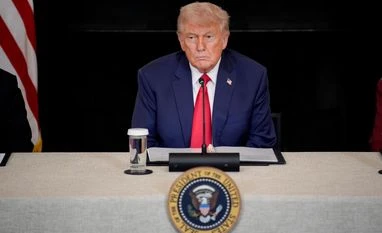 "US President Donald Trump")
premium
| Image: Bloomberg
Listen to This Article
In countries that have inherited the liberal common-law tradition from England, all those born in their territory are granted citizenship. This is the case in what is now the United Kingdom, but also in India, much of the Commonwealth — and the United States (US). That is why it was a major shock when, as one of his first acts, US President Donald Trump signed an executive order banning “birthright citizenship” in the US. This order subsequently received multiple legal challenges; but now, the right wing-dominated US Supreme Court has said that none of those challenges can amount to a nationwide overturning of Mr Trump’s order. In short, some states might recognise birthright citizenship and others might not. Within 30 days, the administration might be able to start restricting birthright citizenship across large parts of the country. It is often said of right-wing populists that they want to take their countries back to a previous period; in the case of this order, the intent is to take the US back to the 19th century, before it became customary for anyone born on US soil to be granted legal citizenship in that country.