


Germany's options: A tough leadership test awaits the new chancellor
Much of Mr Merz's leadership of Europe, however, depends on how fast he can revive Germany's economy
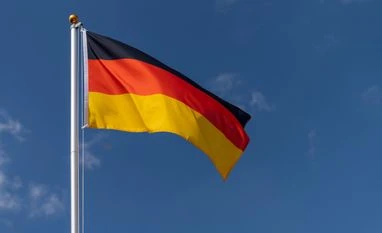 "Germany, Germany flag")
premium
Photo: Shutterstock
Listen to This Article
The preliminary results from snap elections in Germany, Europe’s largest economy, could have a profound effect on the European Union, its relations with the United States, immigration policies, and climate change. The Christian Democratic Union (CDU) and its Bavarian sister party, the Christian Social Union (CSU), have emerged as the largest party in the 630-seat Bundestag. But it is the strong showing of the Alternative für Deutschland (AfD) that surpassed expectations — it clinched 21 per cent of the vote, nearly doubling its vote share from the last election in 2021. Though the centre-right CDU-CSU is still short of a majority, Friedrich Merz, chancellor in waiting, and the mainstream parties in the Bundestag have pledged to a create a “firewall” against the anti-migrant, pro-Kremlin AfD, which recently won endorsements from US President Donald Trump’s cost-cutting czar Elon Musk, and Vice-President J D Vance. Coalition talks have begun. Assuming that the AfD is kept out of government, the alt-right party, with the second-largest vote share in the Bundestag, and an overwhelming dominance of the rust belt of the east, is likely to have a significant influence on the government’s policy agenda. In some respects, it may find itself in closer understanding with the CDU than other parties.