


Maldives' strategic shift: Domestic priorities induce a thaw with India
As debt looms and foreign reserves dwindle, Muizzu's invitation to PM Narendra Modi and the push for increased Indian tourism highlight a pragmatic approach to foreign relations
 "Mohamed Muizzu, Mohamed, Modi, Narendra Modi")
premium
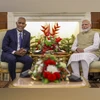
Prime Minister Narendra Modi with President of Maldives Mohamed Muizzu during a meeting at Hyderabad House, in New Delhi, Monday, Oct. 7, 2024. (Photo: PTI)
Listen to This Article
It took an economic crisis for Maldives President Mohamed Muizzu to transition from an “Indian Out” champion during his 2023 election campaign to an expansive host a year later, inviting Prime Minister Narendra Modi for a state visit next year and exhorting more Indian tourists to visit the island nation. Staring at a debt default and with foreign-exchange reserves falling to $440 million, roughly worth one and a half months’ imports, Male’s newfound bonhomie with New Delhi has been built on a financial package that includes a $400 million currency-swap deal and an additional Rs 3,000 crore ($357 million) swap deal to enable companies to do business in local currencies rather than dollars. India is the Maldives’ largest creditor after China, with which the Maldives had forged closer relations since 2014 by joining the latter’s Belt and Road Initiative (BRI). Talks are now on for an Indo-Maldivian free trade agreement. This progress could be viewed as a reflection of India’s even-handed management of the relationship despite the shrill anti-Indian rhetoric from Male.