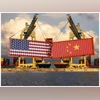
In actual fact, even 100 per cent is overkill — the existing 25 per cent level for EV tariffs on China seemed to be doing a good enough job of keeping them out of the US market. The larger question is what this means for the sector globally. The effect of the Chinese dominance of the EV market might well be further deterioration in the open trading system. While the European Union might be uncomfortable setting tariffs at comparable levels, it may well find other ways of penalising Chinese EV imports. It has already launched an investigation into whether “unfair subsidies” have been provided to such manufacturers by Beijing, which might allow the European Commission to legally impose tariffs or other restrictions later this year.
India already has fairly high tariffs on cars, especially high-end EVs. Recently the government announced it would reduce these tariffs on a case-by-case basis for companies that plan to set up manufacturing units in India. This was widely interpreted as an incentive to the American manufacturer Tesla in particular. The top Chinese EV company, BYD, has long sought to increase manufacturing in India, but has not got clearance for its proposed billion-dollar investment. Indian policy thus appears to be trying to meet several different aims. The US’ approach of high tariffs, meanwhile, misses the point that Chinese EV companies — unlike some other sectors — may be doing well not just because of state-subsidised overcapacity but because it has become an innovation hub in the sector globally. In terms of quality and features, they may be more advanced than the offers from Western legacy carmakers. Imposition of tariffs will just confirm the big Detroit car companies in their belief of their political influence, and reduce their incentives to innovate in the EV sector. The long-term impact will be, as is inevitable, lower-quality, less efficient, and more expensive EVs in the US than in the rest of the world.
Indian policymakers must, therefore, consider their future path in the sector carefully. On the one hand, it is natural to want to promote domestic manufacturing. It is also a bad idea to cut off Indian consumers from the most efficient cars. But the US tariffs also highlight the need for trusted partners such as India to develop their own export capacity. What the government needs to objectively decide is whether keeping Chinese cars out requires them to also ban Chinese investment in the sector. India should aim to increase investment and innovation in the sector, considering the significant potential for both domestic and international demand.


 "US-China, US-China trade")