


Rising temperature
IMD's 2023 report is a wake-up call
 "What are the challenges before India going by the recent IPCC report?")
premium
Representative image
Listen to This Article
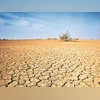
The new year brought a grim retrospect from the India Meteorological Department (IMD): 2023 was the second-warmest year on record since 1901. The annual average surface temperature of the landmass, the IMD said, was 0.65 degrees Celsius above the long-term average; only 2016, with an annual mean of 0.71 degrees, was warmer. Erratic weather is the other story: February, July, August, September, November, and December saw either above-normal maximum or minimum temperatures with respect to the seasons, the IMD said. Extreme variability was evident in rainfall patterns. For example, December was an exceptionally wet month (except the north and Northeast), 60 per cent above normal. Rainfall in the post-monsoon period in the south was the highest since 2001 and the tenth-highest since 1901. The Indian Ocean saw six tropical storms, way above the norm, three of them upgraded to severe cyclonic storms. These unpredictable weather patterns have been attributed to El Nino, which pushed global temperatures in 2023 to record highs. But the appearance of this two- to seven-year phenomenon should not prompt policy inaction. Going by climate patterns of the recent past years, El Nino can be considered just one contributor. The five warmest years in Indian weather history have occurred in the past 14 years — the others being 2009, 2017 and 2010, in order of intensity.