


Tel Aviv's isolation: A two-state solution remains the global consensus
This represents a major shift in attitudes in the West, and is a reflection of the increasing isolation on the international stage being endured by Tel Aviv following its continuing war on Gaza Strip
 "Benjamin Netanyahu, Benjamin, Netanyahu, Israel PM")
premium
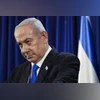
Israeli Prime Minister Benjamin Netanyahu. (Photo: PTI)
Listen to This Article
The Prime Minister of the United Kingdom, Keir Starmer, on Sunday announced that his country would confer diplomatic recognition on the state of Palestine. His Commonwealth counterparts — from Australia and Canada — also declared that their nations would take a similar step. This is part of an effort that appears to be coordinated primarily by President Emmanuel Macron of France, who this week will announce at the United Nations (UN) General Assembly that his country too is recognising the Palestinian state; two other European nations, Portugal and Belgium, will do so too. Mr Macron is due to co-host a summit with Saudi Arabia on the subject of Palestinian statehood. This represents a major shift in attitudes in the West, and is a reflection of the increasing isolation on the international stage being endured by Tel Aviv following its continuing war on the population of the Gaza Strip. Israel Prime Minister Benjamin Netanyahu responded to these developments by declaring them “a huge reward for terrorism”, and adding that “a Palestinian state will not be established west of the Jordan River”.