Sunday, January 04, 2026 | 02:44 PM ISTहिंदी में पढें
Business Standard
Notification Icon
userprofile IconSearch

The new bilateral age: EU FTA urgency key to shaping the new trade order

The World Trade Organization (WTO) seemed unable to rein in China's hidden subsidies to its exporting sectors, and to restore a level playing field for global trade
india eu trade negotiations
premium

Business Standard Editorial Comment Mumbai

Listen to This Article

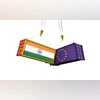
Speaking at the Business Standard Manthan last week, Union Finance Minister Nirmala Sitharaman noted the increasing importance of bilateral negotiations and deals – because multilateralism was “sort of out”. As she argued, India, as a consequence, should place greater emphasis on such bilateral deals in trade, investment, and strategic relations. Such a reshaping of international engagements would be necessary for India’s interests to be prioritised. Ms Sitharaman’s intervention came, in fact, at the same time as a visit to India by the European Commission president, leading to the announcement of an accelerated, if still aspirational, timeline for a bilateral free-trade agreement (FTA). Signing such FTAs will be a necessary corollary for the “reset” the minister was talking about. 
Ms Sitharaman’s view of the evolving landscape of global governance has a great deal of evidence to support it. Over the past decade, populist movements in multiple parts of the globe have challenged the basis on which globalisation has been conducted, as well as the structure of the post-World War II international order. Even those heavily invested in multilateral ways of working were dismayed to discover the degree to which Beijing’s influence was visible in the operations of institutions such as the World Health Organization. The World Trade Organization (WTO) seemed unable to rein in China’s hidden subsidies to its exporting sectors, and to restore a level playing field for global trade. But the coup de grace to the multilateral system has surely been given by the defection of its chief guarantor and sponsor, the United States (US).
  Under President Donald Trump, the US has exited the Paris Agreement on climate change. The WTO has become toothless following the US’ refusal to staff its appellate body. And the basic principles of world trade are being undermined by the arbitrary imposition of country-specific tariffs. This is not good news by any means. The point of multilateral institutions and the rule-based order is to ensure that there is some constraint placed on how larger countries deal with smaller ones in the international arena, including when it comes to economics and trade. Even-handed bilateral deals are usually rare because the relative size and power of the negotiating parties come into play. India, with its low presence in world trade, is not often in a position where it can impose its preferences bilaterally.
  Nevertheless, it should prepare for this global paradigm as best it can. It should join those plurilateral institutions that try to mimic multilateral ones — for example, the voluntary Multi-Party Interim Appeal Arbitration Arrangement at the WTO. It needs to expand and deepen the capacity and resources available for bilateral negotiations. The government must also institute interdepartmental processes that minimise holdups when issues or regulations relevant to ministries or departments have to be discussed at such negotiations by diplomats or bureaucrats concerned with economic relations. Most importantly, it must recognise that it needs to make more and targeted concessions in such bilateral negotiations. The age of comfortably vetoing issues at the multilateral level is gone; it is now necessary to make concessions and seek bargains at the bilateral level. The EU-India FTA is a test case for the government’s commitment to the new bilateral era. High-level political energy and attention to this agreement is welcome, and every effort should be made to meet the promised timeline of a deal by the end of the year.