


Toxic aquifer beneath our feet: India faces its worst groundwater crisis
The most striking finding is the presence of uranium contamination across North India
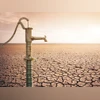 "water")
premium
It is equally important to move toward well-defined groundwater rights detached from land ownership to prevent reckless extraction.
Listen to This Article
India’s dependence on groundwater has only intensified in recent years. Nearly 85 per cent of rural households still rely on it for drinking, and around two-thirds of irrigation needs are met by aquifers. As extraction has risen relentlessly, the quality of groundwater continues to deteriorate at a pace that threatens public health, agriculture, and water security. The Annual Ground Water Quality Report 2025, released by the Central Ground Water Board, confirms that the crisis is no longer confined to a few states or pollutants. India is now confronting a multi-contaminant emergency, with several regions simultaneously exceeding safe limits for nitrate, fluoride, arsenic, uranium, salinity, and heavy metals.