Bargain hard but go for RCEP deal: Former NITI V-C Arvind Panagariya

Panagariya said there was a huge scope for India to improve medical treatment
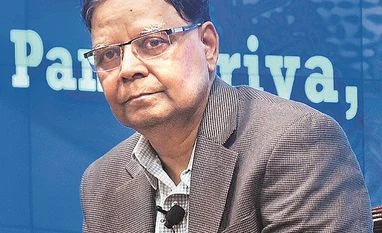
Arvind Panagariya, NITI Aayog Vice-Chairman, NITI Aayog
Arvind Panagariya
Indivjal Dhasmana New Delhi
2 min read Last Updated : Oct 22 2019 | 9:36 AM IST
Former NITI Aayog Vice-Chairman Arvind Panagariya on Monday said India should bargain hard for the proposed Regional Comprehensive Economic Partnership (RCEP), but this should not become an excuse for not clinching the deal. 

When an economy opens up, it has to set its house in order to compete, which brings the best out of it, he said. 

“We need to be a little more aggressive. Compete with the best in the world. It brings the best out of you,” Panagariya, professor of Indian Political Economy at the Columbia University, said at the US-India Strategic Partnership Forum in New Delhi. 

He was responding to an observation by former foreign secretary Kanwal Sibal that India needs to bargain hard in RCEP due to security concerns that go beyond trade. Sibal said China was pressing for accelerating negotiations for RCEP due to its trade war with the US. “China wants to dominate RCEP because it is the biggest economy. It did not play by WTO rules, so will it play by RCEP rules? Will there be a dispute settlement mechanism?” he said. Panagariya sought to dispel the myth that import substitution leads to less imports. “If you import less, you export less as well. When India liberalised it imported more, but then it exported more as well,” he said.

AI boost to health sector

At a panel discussion earlier at the same event, Panagariya said there was a huge scope for India to improve medical treatment by taking advantage of technical developments such as AI (artificial intelligence) and data analytics. “With AI, data analytics and all the technology there, treatments can perhaps be done better (in India) as we go forward,” he said.

By taking advantage of the technological changes such as AI and data analytics, India can bring good treatments almost anywhere in the country, he added. On the pricing issue in the medical industry, he said clearly this is being recognised in the trade agreements as well, citing that in some visible cases, prices have been negotiated between the companies (exporting and importing).

Panagariya said the health sector was still evolving and very informal as it was largely dominated by the private sector and the government’s role largely had been into setting up medical colleges.

One subscription. Two world-class reads.

Already subscribed? Log in

Subscribe to read the full story →
*Subscribe to Business Standard digital and get complimentary access to The New York Times

Smart Quarterly

₹900

3 Months

₹300/Month

SAVE 25%

Smart Essential

₹2,700

1 Year

₹225/Month

SAVE 46%
*Complimentary New York Times access for the 2nd year will be given after 12 months

Super Saver

₹3,900

2 Years

₹162/Month

Subscribe

Renews automatically, cancel anytime

Here’s what’s included in our digital subscription plans

Exclusive premium stories online

  • Over 30 premium stories daily, handpicked by our editors

Complimentary Access to The New York Times

  • News, Games, Cooking, Audio, Wirecutter & The Athletic

Business Standard Epaper

  • Digital replica of our daily newspaper — with options to read, save, and share

Curated Newsletters

  • Insights on markets, finance, politics, tech, and more delivered to your inbox

Market Analysis & Investment Insights

  • In-depth market analysis & insights with access to The Smart Investor

Archives

  • Repository of articles and publications dating back to 1997

Ad-free Reading

  • Uninterrupted reading experience with no advertisements

Seamless Access Across All Devices

  • Access Business Standard across devices — mobile, tablet, or PC, via web or app

Topics :RCEPmedical technologyArvind Panagariya

Next Story


