Focus must be on sustainable solutions: Y M Deosthalee
Tax revenues, especially the direct tax collections are likely to fall short of target, on the back of lower-than-budgeted GDP growth
The Finance Minister P Chidambaram seems to have deftly manoeuvred the temptations of presenting a non-populist Budget while playing within the constraints set by the vote on account.
Overall, the minister has been successful in reining in the fiscal deficit at 4.6 per cent and current account deficit at $45 billion. However, the quality of fiscal consolidation remains less than desired. While the planned expenditure for FY14 will not meet the budget, the non-plan expenditure will exceed the budgeted amount.
Although, the targeted 4.1 per cent fiscal deficit for FY15 is not beyond reach, a more disciplined approach towards plan expenditure spend and controlling the subsidies is desired.
While a few quick-fix measures like curbs on gold imports helped contain the current account deficit, we need to graduate into more sustainable solutions by encouraging exports.
Tax revenues, especially the direct tax collections are likely to fall short of target on the back of lower than budgeted GDP growth. In addition, positive steps are seen on the indirect tax front — the automobile sector receiving the much-needed relief through duty cuts as well as capital goods from 12 to 10 per cent.
The interim Budget also set the underlying theme of policy continuum and growth that governments of the future have to follow treading cautiously between the fault lines of fiscal prudence and populist expectations.
“The Vision for the Future” statement has laid out a development agenda checklist — fiscal consolidation and deficit control to three per cent by 2016-17, current account deficit financing, price stability growth balance, financial sector reforms etc. This encompasses what India should do to stay relevant.
On the infrastructure front, although emphasis on public-private projects and new financing structures are welcome, it currently lacks execution focus — as reflected in balance sheet stress and equity infusion constraints faced by developers.
Further, from the banking sector perspective, Rs 11,200 crore provided for capital infusion is inadequate, given the elevated non-performing asset levels.
Overall, the interim Budget is a symbolic resonant of the governments’ past achievements while setting expectations for the future.
Y M Deosthalee, CMD, L&T Finance Holding

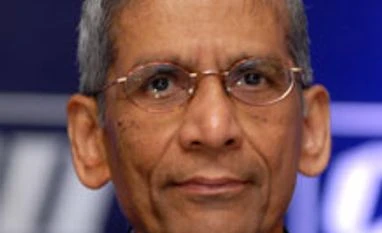 "Focus must be on sustainable solutions: Y M Deosthalee")


 Connect with us on WhatsApp