The Supreme Court ruling in favour of tax department in cases that involve ambiguity in tax exemption clause may trigger a fresh slew of litigation. Experts said the department was likely to re-open similar cases that were decided with a liberal interpretation of tax laws, in favour of the assessee.
Further, the five-judge bench in its order on Monday put the onus on the assessee to demonstrate they meet all the conditions for availing any exemption. This will mean businesses will have to be extra careful in planning tax exemptions and holidays, experts said. "The burden of proof will go up and planning will need to be carefully done," noted Girish Vanvari, founder, Transaction Square, a tax consultancy firm.
The Constitutional bench's order on Monday overruled its 21-year-old verdict that in case of any ambiguity in a tax exemption provision or notification, it must be interpreted in favour of the assesse claiming the benefit.
Amit Maheshwari, partner of Ashok Maheshwary & Associates, said the ruling effectively meant that if any area-based exemption was available under direct and indirect tax laws, and if any conditions attached for availing the exemption were not complied, the exemption could be denied. "The burden of proof of eligibility of exemption shall be on the taxpayer," he added.
Vanvari pointed out this judgment overturns many decisions favouring liberal interpretation. "This could open new litigation," he said. Maheshwari said this could lead to opening of new litigation, especially where the tribunals or courts have granted relief to assesses even after non-compliance of certain conditions for exemption.
Tax experts pointed out the ruling should help cut down on protracted litigation related to interpretation of exemption provisions. "Courts have over the years ruled in favour of and also against tax payers in different cases. The SC ruling should provide a permanent closure to such cases," said Rakesh Nangia, managing partner of Nangia Advisors.
The SC had retained its position that in the event of any ambiguity in the tax statute, the benefit should go to the taxpayer. However, the court said if the words in a statute are clear and unambiguous, then no contextual or liberal interpretation can be given.

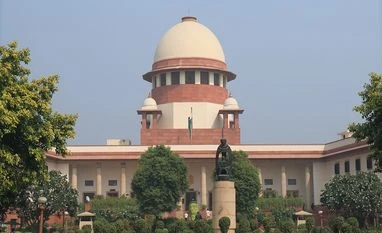 "SC ruling on tax exemption may trigger a fresh slew of litigation")












 Connect with us on WhatsApp