Inclusion of OTT platforms in Telecom Bill maybe a risk to digital economy

The Department of Telecommunications (DoT) released the draft Indian Telecommunication Bill, 2022, late on Wednesday
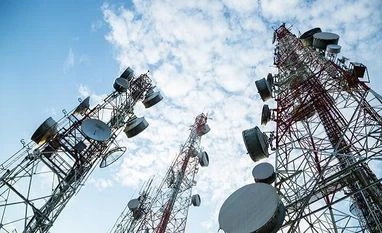
Telecom
Photo: Shutterstock
Sourabh LelePeerzada Abrar New Delhi/Bengaluru
3 min read Last Updated : Sep 22 2022 | 11:00 PM IST
The expanded definition of telecommunication services in the draft telecom Bill —including over-the-top (OTT) platforms like WhatsApp, Signal, Telegram, and Google Meet — may harm the digital economy and user privacy in India, according to experts.

The Department of Telecommunications (DoT) released the draft Indian Telecommunication Bill, 2022, late on Wednesday.

The Bill defines telecommunication services as those available to users through telecommunication, which includes internet-based communication services such as emails, video calls, satellite connectivity, and over-the-top (OTT) communication.

The Bill, if it goes through, empowers the government to direct service providers to intercept, detain, and disclose messages sent through these channels in the case of an emergency or in the interest of public safety.

The government can also tell a service provider to suspend the transmission of services under such circumstances.

Industry leaders have flagged concern about the Bill, warning it may create a challenge for the digital economy of India. Jason Oxman, chief executive officer (CEO), Information Technology Industry Council, said: “The initial reaction from our end is that the law is well intentioned. The telecom law in the country is due for an update, but the definition of regulated services expands the jurisdiction of the telecom regulator so massively that it creates a risk of serious damage to the potential success of the digital economy in India.”

Oxman said: “The OTT services should not have a government intersection because there is no chance of market failure”.

If this is legislated, it would eliminate the security benefits of end-to-end encryption because the government may have the powers to intercept messages.

The Telecom Regulatory Authority of India (Trai) had discussed regulating encrypted platforms in its recommendations submitted to the DoT in 2018. Those highlighted the importance of maintaining the security of encrypted messaging services.

Kazim Rizvi, founder director at The Dialogue, a tech policy think tank, said: “The fundamental operational mechanism of OTT platforms and the traditional telecom service providers is distinct. Accordingly, a one size fits all approach for their regulation is not feasible.”

He said the lack of a clear definition and boundaries of national security and public emergency could lead to unintended consequences. “While national security and public order is a legitimate concern, discretionary powers without checks and balances have implications for the citizens, infringing their right to privacy,” he said.

Digital rights groups have expressed concern over interception powers in the Bill in the absence of a data protection law.

Tejasi Panjiar, associate policy counsel at the Internet Freedom Foundation, said: “If end-to-end encryption is weakened, it will impact users because our personal and sensitive information is stored on these interpersonal communication services and OTT platforms. 

The impact is more enlarged in the absence of a data protection law. Until we have a data protection law, something like this is going to be a big threat for users.”

Salman Waris, managing partner at TechLegis Advocates & Solicitors, said: “In the long run, the government could use the ‘level playing field’ argument to push the Bill as is because end-to-end encryption offered by many OTT players has been a bone of contention. Intermediary rules obligate apps to provide on-demand information to law enforcement agencies while apps, citing encryption, express their inability to do so.”

Telecom operators demand the regulation of OTT players because they offer the same set of communication services, he added.    


One subscription. Two world-class reads.

Already subscribed? Log in

Subscribe to read the full story →
*Subscribe to Business Standard digital and get complimentary access to The New York Times

Smart Quarterly

₹900

3 Months

₹300/Month

SAVE 25%

Smart Essential

₹2,700

1 Year

₹225/Month

SAVE 46%
*Complimentary New York Times access for the 2nd year will be given after 12 months

Super Saver

₹3,900

2 Years

₹162/Month

Subscribe

Renews automatically, cancel anytime

Here’s what’s included in our digital subscription plans

Exclusive premium stories online

  • Over 30 premium stories daily, handpicked by our editors

Complimentary Access to The New York Times

  • News, Games, Cooking, Audio, Wirecutter & The Athletic

Business Standard Epaper

  • Digital replica of our daily newspaper — with options to read, save, and share

Curated Newsletters

  • Insights on markets, finance, politics, tech, and more delivered to your inbox

Market Analysis & Investment Insights

  • In-depth market analysis & insights with access to The Smart Investor

Archives

  • Repository of articles and publications dating back to 1997

Ad-free Reading

  • Uninterrupted reading experience with no advertisements

Seamless Access Across All Devices

  • Access Business Standard across devices — mobile, tablet, or PC, via web or app

Topics :TelecomDepartment of TelecommunicationsTelcosOTTtelecom operators

Next Story


