
CCPA seeks RBI intervention on banks delaying refund when transactions fail
Newly set up consumer protection regulator CCPA has flagged this issue to the RBI seeking its intervention to ensure banks reverse such money on time
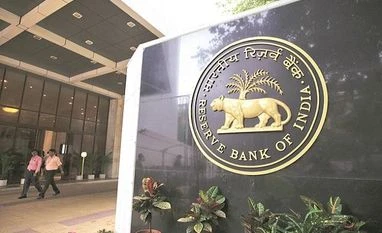 "CCPA seeks RBI intervention on banks delaying refund when transactions fail")
WebinarsNew
Deep DiveNew
Explore Business Standard
Newly set up consumer protection regulator CCPA has flagged this issue to the RBI seeking its intervention to ensure banks reverse such money on time
Amid rising consumer complaints regarding delay in reverse or refund of money deducted on account of failed or cancelled banking transactions, newly set up consumer protection regulator CCPA has flagged this issue to the RBI seeking its intervention to ensure banks reverse such money on time.
In a letter to Reserve Bank of India (RBI) Deputy Governor M K Jain, the Central Consumer Protection Authority (CCPA) Chief Commissioner Nidhi Khare stated that 2,850 complaints pertaining to "transactions failed/cancelled but money not refunded" forming 20 per cent of grievances registered in the banking sector have been received through the government-run National Consumer Helpline (NCH).
She said although banks are crediting the amount into consumer or beneficiary's account, it is not being done in the prescribed timeline as directed by the RBI guidelines.
In view of this, there is a need for banks to adhere to the timelines for settlement of claims as per the guidelines issued by the RBI, she added.
In this backdrop, Khare said: "RBI, being the banking regulator, is requested to look into the matter and take up the issue with the banks urging them to adhere to the timelines stipulated in guidelines issued by RBI in this regard."
The CCPA can extend cooperation to the RBI in ensuring speedy redressal to the consumers, she said in the letter.
Further, Khare informed that the analysis of the consumer grievances received through NCH showed that a number of grievances have been received pertaining to failed or cancelled banking transactions and money not refunded.
There were also grievances related to inter-banking services like IMPS and UPI, wherein transactions have failed but money not reversed/transferred although money deducted from the bank or wallet account of the consumers, she added.
The letter also said the CCPA was established on July 24, 2020 to regulate matters related to violation of rights of consumers, unfair trade practices, and false or misleading advertisements which are prejudicial to the interest of public and consumers and to protect, promote and enforce the rights of consumers as a class.
The CCPA is empowered to conduct investigations into violation of consumer rights, order recall of unsafe goods and services as well take sue-motto complaints where a class of consumers is impacted due to a defective product or deficient services and also impose penalties.
While conducting an investigation after preliminary inquiry, CCPA will have the same powers given under the provisions of the Code of Criminal Procedure, 1973 for carrying out search and seizure, the letter added.
(Only the headline and picture of this report may have been reworked by the Business Standard staff; the rest of the content is auto-generated from a syndicated feed.)
First Published: Jan 01 2021 | 12:19 PM IST


 Connect with us on WhatsApp