Nod to realtors and brokerages if fit and proper: Chakrabarty
Initially, the August 2011 draft norms released had virtually barred realtors, brokerages from its eligibility criteria
BS Reporter Mumbai
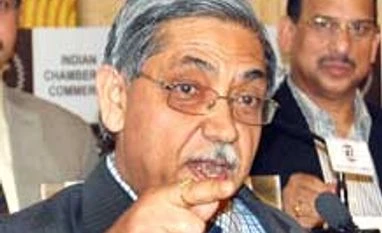
Real estate firms and brokerages will be allowed to open banks if they meet the ‘fit and proper’ criteria, said K C Chakrabarty, deputy governor of the Reserve Bank of India (RBI).
Speaking on the sidelines of an investors’ conference on Tuesday, Chakrabarty said realtors and brokerages carry out legitimate business. He asked, “If they can demonstrate that they can satisfy all the requirements (and) all the concerns, how can we deny them (bank licence)?”
In the draft guidelines for new banks issued in 2011, RBI had proposed to bar companies earning 10 per cent or more of their total income from real estate or broking. However, after consultation with the finance ministry, RBI removed this condition in the final guidelines released last week. It also allowed public sector entities to apply for the licence.
“There is nothing in the guidelines (that bar realtors and brokerages) and it is open (for them to apply)” said Chakrabarty. On the number of new bank licences that RBI plans to give, Chakrabarty said it is all too premature to comment on the issue. But, he said the number of licences would depend on the number of eligible and ‘fit and proper’ applicants.
He said no additional time would be given to the new banks to follow cash reserve ratio, statutory liquidity ratio and priority-sector lending requirements, and they are expected to start following the norms from Day One. He advised new banks to focus on lending to small and medium enterprises and the agriculture sector initially, and then look at other sectors.
Chakrabarty downplayed concerns that some old private sector banks could be the acquisition targets for new players. He said RBI would not allow new players to start off operations by acquiring other banks.
“If we are talking of new banking licences, then don’t talk of consolidation. These are two contradictory things,” he said.
“The discussion paper (as proposed by RBI) on structure of banking may address some of these (consolidation) issues,” Chakrabarty added. RBI, in its final guidelines on banking licences, had talked of the need for an explicit policy on banking structure in India and said it would come out with an overall policy discussion paper on banking structure within two months.

 "Nod to realtors and brokerages if fit and proper: Chakrabarty")


 Connect with us on WhatsApp