BP wipes up to $17.5 billion from assets with bleaker oil outlook

Like its rivals, the British oil major is set to take a big hit to revenue from an unprecedented collapse in demand due to the pandemic.
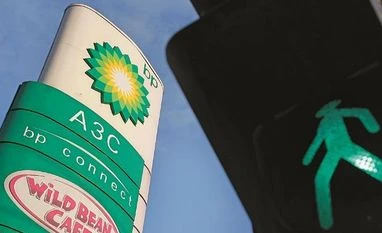
BP
BP lowered its benchmark Brent oil price forecasts to an average of $55 a barrel until 2050, down by around 30% from previous assumptions of $70.
Reuters London
4 min read Last Updated : Jun 15 2020 | 9:50 PM IST
BP will write off up to $17.5 billion from the value of its assets after cutting its long-term oil and gas price forecasts, betting the Covid-19 crisis will cast a lasting chill on energy demand and accelerate a shift away from fossil fuels.
 
Like its rivals, the British oil major is set to take a big hit to revenue from an unprecedented collapse in demand due to the pandemic. The impairments are set to raise its debt burden sharply and increase pressure to reduce its dividend.
 
The move comes as Chief Executive Bernard Looney prepares to outline his strategy in September to “reinvent” BP, including a reduced focus on oil and gas and a larger renewables business.
 
BP lowered its benchmark Brent oil price forecasts to an average of $55 a barrel until 2050, down by around 30% from previous assumptions of $70.
 
The outlook is the lowest among Europe's top energy companies, according to Barclays research.

REVIEW OF PROJECTS
 
BP said that the aftermath of the new coronavirus pandemic would accelerate the transition to a lower-carbon economy, in line with the goals of the 2015 Paris climate agreement.
 
“We have reset our price outlook to reflect that impact and the likelihood of greater efforts to ‘build back better’ towards a Paris-consistent world,” Looney added.
 
BP shares were down 4.3% at 1418 GMT.
 
Last week, BP said it would cut about 15% of its workforce in response to the coronavirus crisis and as part of Looney’s strategy.
 
BP said the new price assumptions will lead to non-cash impairment charges and write-offs in second-quarter earnings, due on Aug. 4, in a range of $13 billion to $17.5 billion after tax. It said it would also now review its plans for some oil and gas projects that are at early exploration stages.
 
Investors have increased pressure on oil companies to adapt their operations to the Paris goals. BP and its European rivals have in recent months outlined plans to sharply reduce their emissions by 2050, although how exactly they will get there remains unclear.
 
Bruce Duguid, director in the stewardship team Federated Hermes, which led talks between investors and BP over its climate strategy, welcomed the company’s accelerated shift away from fossil fuels.
 
“This is a very positive development, responding to the concerns raised by investors at its annual general meeting that BP review its long-term oil and gas price assumptions in the light of Covid-19,” Duguid said in a statement to Reuters.
 
BP said the impairments would include $8-$10 billion worth of write-offs in the company’s early-stage oil and gas exploration, covering projects that the company has now decided to axe. Its overall early-stage projects were worth $14.2 billion at the end of March.
 
BP will write down another $8-$11 billion of the value of so-called property, plant & equipment (PP&E), or producing assets, which totalled $130 billion.
 
DEBT AND DIVIDEND
 
BP is set to increasingly shift its fossil fuel production from oil to natural gas, which is expected to play a key role in supplying growing demand for electricity.
 
However, in its new outlook, the company revised down its assumption for gas from Henry Hub in the United States by 31% to $2.90 per million British thermal units.
 
It also increased the assumed price it will have to pay governments for carbon dioxide emitted from its oil and gas activities to $100 per tonne of CO2 in 2030, from $40.

The large impairment relates will lower BP’s asset value by around 10%, pushing the ratio of equity to debt, known as gearing, to about 48% in the second quarter, RBC Capital Markets said in a note.
 
At such levels, the company will need to lower its dividend, the bank said.


One subscription. Two world-class reads.

Already subscribed? Log in

Subscribe to read the full story →
*Subscribe to Business Standard digital and get complimentary access to The New York Times

Smart Quarterly

₹900

3 Months

₹300/Month

SAVE 25%

Smart Essential

₹2,700

1 Year

₹225/Month

SAVE 46%
*Complimentary New York Times access for the 2nd year will be given after 12 months

Super Saver

₹3,900

2 Years

₹162/Month

Subscribe

Renews automatically, cancel anytime

Here’s what’s included in our digital subscription plans

Exclusive premium stories online

  • Over 30 premium stories daily, handpicked by our editors

Complimentary Access to The New York Times

  • News, Games, Cooking, Audio, Wirecutter & The Athletic

Business Standard Epaper

  • Digital replica of our daily newspaper — with options to read, save, and share

Curated Newsletters

  • Insights on markets, finance, politics, tech, and more delivered to your inbox

Market Analysis & Investment Insights

  • In-depth market analysis & insights with access to The Smart Investor

Archives

  • Repository of articles and publications dating back to 1997

Ad-free Reading

  • Uninterrupted reading experience with no advertisements

Seamless Access Across All Devices

  • Access Business Standard across devices — mobile, tablet, or PC, via web or app

Topics :BP plcBPCoronavirus VaccineGlobal economyOil industryoil and gasoil and gas sectorCrude Oil Price

Next Story



