
Elon Musk under fire again: CEO to testify over Tesla acquisition
In the runup to Tesla Inc.'s 2016 acquisition of a company called SolarCity, Elon Musk hailed the deal as a no brainer"
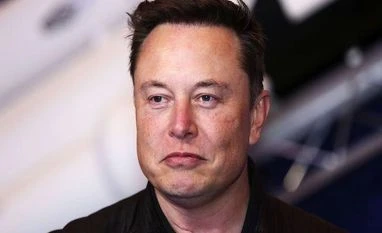 "Elon Musk under fire again: CEO to testify over Tesla acquisition")
WebinarsNew
Deep DiveNew
Explore Business Standard
In the runup to Tesla Inc.'s 2016 acquisition of a company called SolarCity, Elon Musk hailed the deal as a no brainer"
In the runup to Tesla Inc.'s 2016 acquisition of a company called SolarCity, Elon Musk hailed the deal as a no brainer" a purchase that would combine the leading maker of electric vehicles with a manufacturer of solar panels that can recharge EVs.
It didn't exactly work out that way.
On Monday in the Delaware Court of Chancery, the Tesla CEO will testify about the USD 2.5 billion deal in a shareholder lawsuit that alleges that Tesla's acquisition was rife with conflicts of interest, overlooked SolarCity's fundamental weaknesses and unsurprisingly failed to produce the profits Musk had promised.
Questioned under oath, Musk plans to defend the purchase as a justifiable acquisition.
At the time of the all-stock purchase, Musk was SolarCity's largest stakeholder and its chairman. Seven shareholder lawsuits, consolidated into one, alleged that Tesla directors breached their fiduciary duties in bowing to Musk's wishes and agreeing to buy the struggling company.
In what the plaintiffs call a clear conflict of interest, SolarCity had been founded by Musk and two of his cousins, Lyndon and Peter Rive.
Last August, a judge approved a USD 60 million settlement that resolved claims made against all the directors on Tesla's board except Musk without any admission of fault. That left Musk, who refused to settle, as the sole remaining defendant. The trial that begins Monday had been scheduled for March of last year but was postponed because of the viral pandemic.
Daniel Ives, an analyst at Wedbush Securities, called the acquisition a clear black eye for Musk and Tesla, in large part because SolarCity has failed to turn a profit.
It basically was putting good money after bad, Ives said. For all the successes and all of the unimaginable heights Musk has achieved, this is one of the lowlights.
Most investors, Ives said, place no value on the company's solar business.
I just think Musk and Tesla underestimated the challenges and the hurdles that the business brings, he said.
That said, Ives said he thought Tesla's energy business could still become modestly successful.
Tesla, which has disbanded its media relations department, did not answer a message Friday seeking comment about the lawsuit. In its 2020 annual report, the company argued that the lawsuit was without merit and that Tesla would vigorously defend itself.
We are unable to estimate the possible loss or range of loss, if any, associated with these claims, the company report said.
Tesla's energy generation and storage business generated $1.9 billion in revenue last year 24% more than it did the previous year. Much of that revenue came from selling battery storage units. Tesla doesn't specify whether the business made a profit, and it also has debt and expenses.
The lawsuit filed by the plaintiffs contends that Musk drove the decision to acquire SolarCity despite his clear-cut conflict of interest.
Musk has a history of fighting government agencies and lawsuits. He was forced to pay a USD 20 million fine to the Securities and Exchange Commission for making statements on Twitter about having the money to take the company private when he didn't.
But he won a defamation lawsuit that was filed by a British diver involved in the rescue of a Thai soccer team that was trapped in a flooded cave. Musk had called the man pedo guy on Twitter.
Even if the trial ends with Musk having to pay personally for the whole SolarCity deal, USD 2.5 billion won't much hurt the world's third-wealthiest person. Forbes magazine has estimated that Musk is worth roughly USD 163 billion.
Ives suggested that while any such payment wouldn't seriously affect Musk's wealth, it would damage his reputation for choosing acquisitions.
Musk is fighting the lawsuit after others have settled because that's what Musk does, Ives said. I think Elon believes this was the right deal and still does.
(Only the headline and picture of this report may have been reworked by the Business Standard staff; the rest of the content is auto-generated from a syndicated feed.)
First Published: Jul 12 2021 | 2:55 PM IST


 Connect with us on WhatsApp