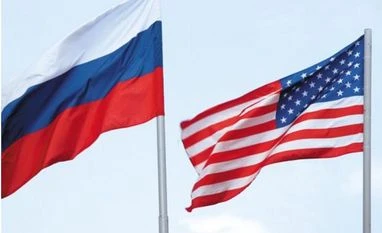
The Biden administration imposed a series of new sanctions on Russia, including restrictions on buying new sovereign debt, in retaliation for alleged misconduct related to the SolarWinds hack and efforts to disrupt the US election.
The new measures sanction 32 entities and individuals, including government and intelligence officials, Six companies will be subject to sanctions, and the US will expel ten personnel from the Russian diplomatic mission in Washington, DC.
The Biden administration also is barring US financial institutions from participating in the primary market for new debt issued by the Russian central bank, Finance Ministry and sovereign wealth fund. Those limits would take effect from June 14.
Russian bonds fell and the ruble dropped the most since December on the news.
“What President Biden is going to announce today, we believe, are proportionate measures to defend American interests in response to harmful Russian actions, including cyber intrusions and election interference,” National Security Advisor Jake Sullivan told CNN early Thursday. “His goal is to provide a significant and credible response but not to escalate the situation.”
The sanctions reflect an attempt by the US to balance the desire to punish the Kremlin for past misdeeds but also to limit the further worsening of the relationship, especially as tensions grow over a Russian military buildup near Ukraine.
The latest moves come just two days after President Joe Biden warned Vladimir Putin the US would defend its interests but also offered the possibility of a summit meeting in the coming months, drawing a cautiously positive response from Moscow.
Restrictions blocking US investors from buying ruble-denominated Russian government debt have long been seen as the “nuclear option” in financial markets, where the bonds, known as OFZs, have been a popular investment. Foreigners now hold about a fifth of that debt, worth roughly $37 billion.
Russia’s 10-year local bonds fell the most since March 2020 in early trading in Moscow, before paring that decline, while the ruble, which had rallied on the news of the Biden-Putin phone call, was down 1.4 per cent as of 2:50 pm in Moscow.
Kremlin spokesman Dmitry Peskov said new sanctions “wouldn’t facilitate” the planned summit but stopped short of saying they would derail it. He said Russia would reciprocate for any new limits but declined to comment on whether Biden warned Putin about impending measures in the call Tuesday.
Though they hit the market, debt restrictions aren’t expected to significantly hamper the Russian government’s ability to finance itself, since state banks can take up much of the slack, analysts said.
Read this article for free
Register to continue reading premium journalism and analysis from Business Standard.

 "US imposes sanctions on Russia over cyberattacks and poll meddling")












 Connect with us on WhatsApp