Govt reiterates need to phase out APMCs
Looking to set up a nationwide spot market for spot agri commodity selling
Dilip Kumar Jha Mumbai The Union government has reiterated the need to phase out the system of Agricultural Produce Marketing Committees (APMCs).
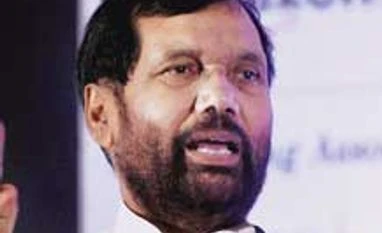
Ram Vilas Paswan, the Union minister of food & public distribution, told this newspaper here recently, “The government is looking to set up a nationwide spot market for agri commodities. The exact nature is still being worked out. But such a market will come into existence sooner than later.”
Early this year, business chamber Assocham had said the APMC Act needed to be scrapped. The cumbersome rules, it said, had resulted in cartelization of mandi intermediaries, fleecing both consumers and farmers.
“Phasing out of APMCs would be gradual for which the (national goods and services tax (GST) needs to be implemented. Once GST is in place, issues in transporting goods from one state to another would be resolved. This will ultimately help in phasing out APMCs,” said Paswan. There are currently 7,500 operational APMC mandis across the country. The governments of Bihar and Kerala have scrapped their APMC Acts, allowing direct sale of agricultural commodities into mandis. Other states have continued with the Act, which restricts farmers within the ambit of one mandi to transport their produce to others.
Karnataka has initiated mandi modernisation with active interest from India’s second largest commodity futures trading platform, the National Commodity & Derivatives Exchange (NCDEX). Farmers are allowed to transport goods to any mandi of their choice.
Maharashtra and Madhya Pradesh, though, have objected to scrapping of APMCs. Paswan said the Centre was in talks with states to resolve the differences. “Our Karnataka experience suggests that the government must look into the age old APMC Act per se. While we require spot mandis with modern infrastructure in place and without any restriction on farmers for trading, the APMC Act in the current form is not needed. First, we need to build a modern trading system and then, phase out the old one gradually,” said Samir Shah, managing director and chief executive officer of NCDEX.
The government’s Econ-omic Survey, issued last month, had said: “State APMC laws are a major hurdle to modernisation of the food economy. They have artificially created cartels of buyers who possess market power. The Essential Commodities Act, 1955, an enabling Act which gives powers of intervention to state governments, is incompatible with an integrated competitive national market for food.”
And, had recommended, “Parliament has the power to legislate a national market under the Constitution, which gives it the ability to legislate the freedom to buy and sell, for farmers and traders, across state lines. This law can override state APMC laws and restrictions that have been placed on the farmer’s right to sell food within and outside the state. Under such a law, APMCs would become one among many trading venues in a competitive market. Further, under the Constitution, Parliament can legislate the creation of a Commission that monitors the country for anti-competitive practices.”

 "Govt reiterates need to phase out APMCs")


 Connect with us on WhatsApp