The Union Budget for 2019-20 continued the recent tradition of having a long section in which import tariffs were arbitrarily changed. Finance Minister Nirmala Sitharaman was quite clear about the motive behind these changes: “On the Customs side, my proposals are driven with the objectives of securing our borders, achieving higher domestic value addition through Make in India, reducing import dependence, protection to the MSME sector, promoting clean energy, curbing non-essential imports, and correcting inversions.” This is an explicit statement of import substitution as a strategy for growth, carried out through the blunt instrument of customs duties.
The Budget raised tariffs on a variety of imports — from cashews to marble slabs to furniture parts to auto components. An observer might well ask how this set of goods was identified. There is likely only one answer: In response to requests or complaints from domestic producers. The problem is that this is a clear invitation to all other domestic industries and sectors to step up lobbying for similar protection. In the process, the voice of the consumer, who in the end pays these tariffs, will be forgotten. India does not have a happy history of import substitution, and it is a mystery why it is staging a comeback within living memory of the liberalisation of 1991. Raising tariffs purely to protect industries merely leads to high-cost and uncompetitive production, and depresses the broader standard of living.
It is true that some countries profited in the past from tariff walls. But that was a time when it was conceivable for developing countries to grow exports even as domestic industry was protected. In today’s world of global supply chains, that happy outcome is even less likely than it was earlier. Global value chains require the ability to shift production and intermediate goods across frontiers easily and quickly, amid a stable trade policy. A country that shifts its trade policy arbitrarily, or shows itself vulnerable to sudden tariff impositions, thanks to domestic lobbying, will not be able to embed itself in global value chains. The goal of raising India’s share in world trade above its current abysmal level of about 2 per cent is not being well served by this policy.
But concessional imports, mega battery manufacturing plants (another Budget idea), or special subsidies is not the way to go about it. Set direct emissions targets, improve business competitiveness, create charging infrastructure — and production will take off on its own. As it stands, why would anyone trust lower duties on EV components if the government has shown itself willing to raise tariffs on a whim?

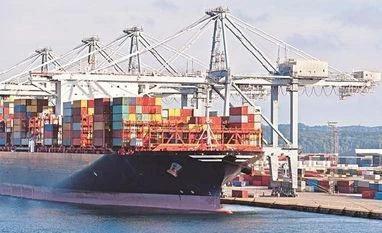 "More protectionism")












 Connect with us on WhatsApp