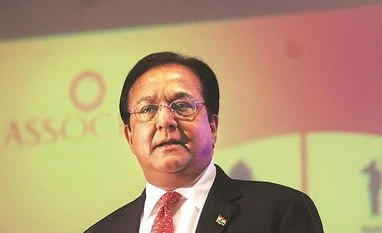
The current leadership crisis in Yes Bank highlights a weak spot in governance and institution building in our corporations. The stock market response to the Reserve Bank of India order is a reflection of the bank’s dependence on one individual at the helm. It also demonstrates the ineptitude of the board in preparing for leadership succession. Like Rana Kapoor, many successful leaders and their boards are responsible for the ruin of their own creations.
Globally, many organisations face a crisis at the time of planning and executing leadership succession. There are a number of factors that work together or in isolation, leading to such a crisis. Successful leaders, inspired by growth opportunities, do not think about replacements for themselves. It never crosses their mind that immortalising an institution requires the leader to be part of a relay race. They do not notice a gap in talent because of their overbearing presence.
Many leaders are afraid of dilution — if not loss — of their values and traditions by a successor. Sycophants around them reinforce this presumption. Besides, most founders are never quizzed, let alone questioned on succession. In other words, preparing a leadership pipeline is a remote possibility in most organisations — family or “family type”. This has to change.
It is important that organisations introduce more formal and mandatory processes of succession planning as part of the corporate governance requirements. A study by Aon Hewitt a few years back had arrived at a list of “companies for leaders”. The exercise covered India along with all major economies in the world. A unique feature of such best companies is their strategy to develop a pool of leaders at different levels. Companies such as Mahindra & Mahindra, Dr Reddy’s Laboratories, ICICI and HUL were found to have a clear process of leadership development all the way up.
A criteria that takes care of the past and the future will allay the fears of promoters and perhaps make them open to finding new leaders to groom. Developing a process of succession is also important.
But who will bell the cat, if not the leader? Players can’t be expected to be coaches and so we can’t expect business leaders to find or install their successors easily. This is particularly so when the incumbents are not clear or confident of their next phase of life. Some of the living stalwarts of corporate India (and politics too) seem to lose their visionary capabilities when it comes to thinking of a successor.
Then who? It is the board of directors that has the responsibility to take care of the interests of all stakeholders, including the promoters. In the Yes Bank case, the board had the responsibility to prepare the ground for leadership change whether Rana Kapoor is a significant shareholder or not. The board must remember its fiduciary responsibilities including facilitation of smooth and effective leadership transition.
Both the Companies Act (2013) and SEBI Listing Regulations (regulation 17[4]) 2015 have already made succession planning at the top a requirement for reporting. But most board nomination and governance committees play lip service to this. The expediency of continuity and allegiance to an overbearing promoter often push succession agenda to the back-burner. Sebi has an opportunity and responsibility to make this happen.

 "Who will bell the cat?")












 Connect with us on WhatsApp