Newsmaker: Pushpa Kamal Dahal
Vintage red wine now or cocktail?
Aditi Phadnis New Delhi Rarely do politicians get a stab at becoming prime minister for a second time. When Pushpa Kamal Dahal 'Prachanda' of the Communist Party of Nepal (Maoist-Centre) espied the chance, he wasn't letting go. Even if it meant a deal with the devil.
Actually, there were two devils. One was India, the neighbour which is perceived to have helped ease him out of office in May 2009. The triumph of Indian diplomacy (in the words of its practitioners, at sundown, after a drink or two or three) is the way India played its cards in preventing Prachanda from becoming PM after 2009 - till he had no option but to seek Delhi's help. India's earlier experience with Prachanda as PM was unhappy. This time might be different.
The other was the Nepali Congress (NC), the party that had once vowed to hunt him down. It is with the former's Sher Bahadur Deuba that he has reached an agreement. He will be PM for nine months and will conduct local elections, then yielding to Deuba, who will be PM for the remaining nine months and conduct general elections in Nepal, due in 2018.
In 2009, India had no choice. With 238 of 601 seats in Parliament, the Maoists numbered more than the Nepali Congress and the Communist Party of Nepal (Unified Marxist-Leninist (CPN-UML) together. That Prachanda had taken a conscious decision to balance India's influence with China's became clear then. An unprecedented 38 Chinese delegations visited Nepal when he was in power. India made no secret of the fact that it took a dim view of a proposed visit by Prachanda to China (he quit before that) to sign a treaty with that country along the lines of the 1950 treaty of friendship with India, a document unique to the relationship between the two countries.
The bad blood between Prachanda's party and the NC was never hidden. Some in the NC went to the extent of describing Prachanda as an agent of the former king, whom the NC had a major role in deposing. But, all that is in the past, with the adoption of forgive and forget as the new ruling credo.
As PM, Prachanda seemed to be a statesman - with feet of clay. He showed some traits that were distinctly un-revolutionary. The safari suits and Red Label were incidental. His 28-year-old son was appointed his personal secretary, his son-in-law was put in charge of accounts, his daughter, the younger child, was made a member of the Constituent Assembly. And, on the foreign trips he undertook as part of his official duties, it was his family that accompanied him, in preference to ministers or party colleagues.
Will things be different this time? India is quiescent in Prachanda's elevation and knows it has the tactical support of both leaders, who are in a gentlemen's agreement for power sharing. How Nepal views Prachanda's return, however, is to be seen.

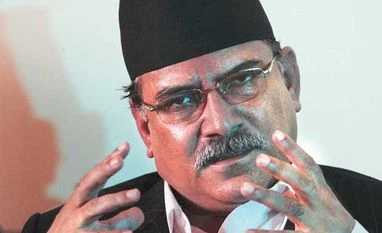 "<b>Newsmaker:</b> Pushpa Kamal Dahal")


 Connect with us on WhatsApp