Estimating GDP growth in short- term is a very difficult task given "shocks" like GST, note- ban and bank NPAs, and the Indian economy may require two years to "consolidate" by which time we should aim for a 7.5 per cent growth, former RBI Governor Y V Reddy has said.
"In a shock, negative element is front loaded. There will be some moderation, and there can be gain. The pain is there now, the gain will come. How much gain and in what gap is the (issue)," Reddy told a select group of reporters here over the weekend.
"My guess is it might take a couple years to consolidate. In a couple of years, we should at least aim to go back to 7.5-8 per cent (growth)," he added.
"The shock element is tapering off. The positive aspect is yet to come, it will come," he said.
Reddy said the economy was helped by a positive shock for almost three years on account of the drop in oil prices, which, he underlined, were at a third of what they were doing during his governorship.
However, the negative shocks like implementation of the indirect taxes reform Goods and Services Tax (GST), demonetisation and also the high quantum of non-performing assets in the banks hurt the growth rate, he said.
Reddy, whose conservative approach to regulation is lauded and described as one of the reasons which limited the impact of the 2008 global financial crisis, said the potential output growth has come down to 7 per cent now from the 8.5 per cent levels pre-crisis.
The decline is due to both international factors, where the global economic growth has declined and also domestic ones like the negative shocks, he said.
Reddy said opinion is divided on how to look at these negative shocks, which he said are looked at by foreigners as "institutional changes" in India.
"All these three, some people take it has permanently affected potential output, whereas some others say it is a (temporary) shock.
"So the question is how much is a shock? I think there is some element of a shock, some element of permanent improvement can also be there after a lag."
Such shocks, he said, makes the methodology of estimating growth "undependable" in the short-term, he said.
"When you wait short-term, you don't get all the data. You will say this is a proportion of that. In a way, the methodology for short-term forecasting is approximation.
"And when such a shock has occurred, then the methodology itself is undependable. And therefore, whatever number comes, dont even look at it."
It can be noted that the Reserve Bank is expecting growth on a gross value added basis to shoot up to 7.8 per cent by the fourth quarter in order to pull up the yearly growth to 6.7 per cent, which was maintained in the last policy review on December 6.
Some analysts have said the central bank is too optimistic in its expectations, while some have backed it.
"All short-term projections can be subject to more differences of opinion. I am not following short-term forecastings at all, it is not worth it," Reddy said.
It can be noted that the growth rate slipped to a three-year low of 5.7 per cent for the April-June quarter and accelerated to 6.3 per cent in the succeeding one.
Policy-makers say this is below the potential of the country, whose 1.3 billion people result in a huge domestic market and also its exports penetration. They want to take it up to 8 per cent and beyond in the medium term.

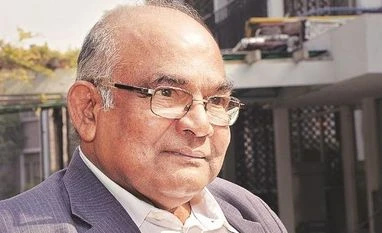 "Former RBI governor Y V Reddy says India should aim at 7.5% growth in 2 yrs")


 Connect with us on WhatsApp