An irresponsible media is better than a controlled one, Press Council of India (PCI) Chairperson Justice (retd) C K Prasad today said while stressing that journalists should express dissent within the framework of national interest.
The PCI chief expressed these views when asked for comments about show cause notices issued by Information and Broadcasting Ministry to four leading news channels over their coverage of 1993 Mumbai blasts convict Yaqub Memon's hanging.
Prasad said the PCI has also taken note of reports about certain "gag orders" issued against media recently by Union ministries including Home Affairs, and added that a response from the I&B Ministry has been sought on the matter.
The Home Ministry had recently issued an order restricting movement of media personnel in the North Block, which was objected to by the journalists.
Secretary, PCI is learnt to have written on the matter to the I&B Ministry, whose response is awaited.
"As a person, my view is that an irresponsible media is better than a controlled media," Prasad told reporters while refraining from commenting directly on the specific notices to channels saying that the matter pertains to electronic media and is outside the purview of the PCI.
He added that similar views on the media had been expressed by former Prime Minister Jawaharlal Nehru.
The government had earlier issued notices to the four news channels saying that their content was not as per the programme code under the Cable TV (Networks) Act.
The PCI chief, who was asked several questions related to the show cause notices issued to the news channels, said dissent is the forte of a democracy and every newspaper or channel has a right to dissent.
"But while dissenting, one has to keep in mind the larger national interest," he added.
The former Supreme Court judge further said that the media can criticise judicial decisions but it should not attribute any motives as it erodes the credibility of the institution. "Criticise vehemently, but don't attribute motives," he said.
Interacting with reporters at Indian Women's Press Corps, he said, "If a journalist is irresponsible, people will judge, but if media is controlled, there is nothing to judge.
Asked if he thought that it would be better if such matters were referred to a self-regulatory mechanism, he said, "There are competing views on that with many believing that peer bodies have not been able to achieve what was required."
He said that in his view, peer bodies can do it but added that a pertinent question is who represents the peers and whether it was really a representative.

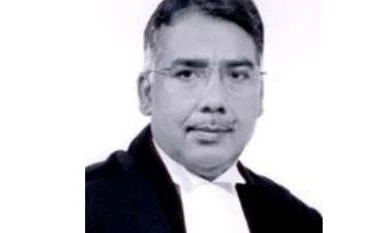 "Irresponsible media better than a controlled one: PCI chief")


 Connect with us on WhatsApp