
Monumental stride in positioning India as logistics powerhouse: Industry
"The Union Budget is a monumental stride towards positioning India as a global logistics powerhouse," Gregory Goba Ble, UPS Managing Director in India, said
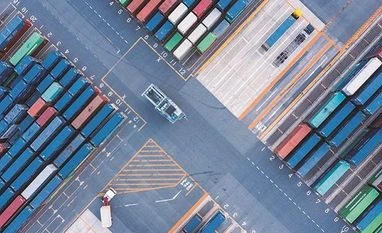 "Monumental stride in positioning India as logistics powerhouse: Industry")
WebinarsNew
Deep DiveNew
Explore Business Standard
"The Union Budget is a monumental stride towards positioning India as a global logistics powerhouse," Gregory Goba Ble, UPS Managing Director in India, said
The Union Budget for 2024-25 has taken a "monumental stride" towards positioning India as a global logistics powerhouse as it focuses on infrastructure development, leveraging technology and supporting MSMEs, logistic and shipping industry executives said on Tuesday.
"The Union Budget is a monumental stride towards positioning India as a global logistics powerhouse," Gregory Goba Ble, UPS Managing Director in India, said.
"This budget has hit all the right notes - focusing on infrastructure development, leveraging technology and supporting MSMEs including traditional artisans through innovative measures such as e-commerce export hubs,"
He said the initiatives for infrastructure development, particularly the announcement of new economic corridors, along with strategic investments in roads and airports, are poised to streamline logistics operations, reduce costs and enhance connectivity across key regions, charting a clear path towards a more robust, efficient and globally competitive logistics landscape in India.
"The decision to set up more integrated industrial parks and e-commerce export hubs will facilitate manufacturing output, boost domestic consumption as well as enhance trade and logistics activity," said Rizwan Soomar, CEO and Managing Director of Dubai-based logistics operator DP World North Africa and India Subcontinent.
Lower corporate tax rate on foreign companies will help attract overseas companies and capital, he added.
"Allocating 3.4 per cent of GDP towards infrastructure, strengthening the Jan Vishwas Bill 2.0, and incentivising states to implement Business Reform Action Plans will create seamless trade corridors," said Kami Viswanathan, President for MEISA region at FedEx.
"Enhancing access to credit and promoting business growth acts as a catalyst for MSMEs, enabling them to expand operations and thrive. This initiative will not only benefit MSMEs but also have a positive ripple effect on logistics partners like us, facilitating smoother operations and enhanced service delivery to meet growing business demands effectively," said Uday Sharma, Chief Commercial Officer of Allcargo Gati Ltd.
The establishment of e-commerce hubs in PPP (Public-Private Partnership) mode increases the volume and shipments from MSME clusters and empowers traditional artisans to access global markets, Sharma said.
"India's rapidly expanding warehousing industry is set to attract significant foreign direct investment, promising substantial returns for investors and establishing the country as a highly profitable market," said Anshul Singhal, Managing Director, Welspun One & Chairperson of ASSOCHAM National Council on Logistics & Warehousing.
"Enhanced rural critical infrastructure will enable us to boost our cold supply chain footprint, along with general warehousing and transportation network, further optimising our operations to provide more reliable, efficient services to our customers. Setting up of the e-commerce export hubs will also increase our global competitiveness and boost exports," said Vineet Agarwal, Managing Director of Transport Corporation of India Ltd (TCIL).
"The establishment of the Gaya node along the Amritsar-Kolkata route is anticipated to greatly improve the Eastern Dedicated Freight Corridor," said Gayomard Driver, Executive Director & Group Chief Financial Officer, Jeena and Company.
"The budget's ownership, leasing, and flagging reforms are crucial for the Indian shipping industry. Simplifying registration and incentivising ship-flagging will boost our national fleet's competitiveness, increase India's share in the global shipping market, and create substantial employment opportunities," Seros MD & CEO spokesperson Ashish Agarwal said.
Given its direct linkage to the economy, proposals around enhanced outlays for road connectivity, rural development and infrastructure investments auger well for road logistics demand, said Srikumar Krishnamurthy, Senior Vice President & Company Group Head, Corporate Ratings, ICRA Ltd.
(Only the headline and picture of this report may have been reworked by the Business Standard staff; the rest of the content is auto-generated from a syndicated feed.)
First Published: Jul 23 2024 | 9:28 PM IST

