Home / India News / SC recommends setting up commission to probe human rights violations in J&K
SC recommends setting up commission to probe human rights violations in J&K
Article 370 case verdict: In a ruling, Justice Sanjay Kishan Kaul recommended setting up a commission on the lines of the Truth and Reconciliation Commission
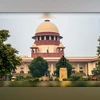
Supreme Court recommended setting up of a commission to probe human rights violations in J&K (Photo: Wikimedia Commons)
The Supreme Court (SC) on Monday recommended an impartial investigation into the human rights violations in Jammu & Kashmir since the 1980s. In a ruling, Justice Sanjay Kishan Kaul recommended setting up a commission on the lines of the Truth and Reconciliation Commission.
"I recommend the setting up of an impartial truth and reconciliation committee to investigate and report the violations of human rights both by the state and non-state actors at least since the 1980s," Justice Kaul said.
He added, "To move forward, wounds require healing. Intergenerational trauma is felt by people. The first step to healing is to acknowledge the acts of violations by the state and its actors."
What was the Truth and Reconciliation Commission?
The Truth and Reconciliation Commission (TRC) was a body set up by the South African government in 1995. It was a court-like arrangement set up to uncover the human rights violations during the period of apartheid. The commission gathered information from both victims and perpetrators. The focus of the commission was on reconciliation and not persecuting the perpetrators. It released its findings in 1998 and 2003.
SC upholds abrogation of Article 370, asks Centre to conduct polls in J&K
The SC on Monday, upheld the Centre's decision to abrogate Article 370 and said that steps should be taken to conduct elections in the assembly by September 30, 2024. The Apex court also directed that statehood to the union territory of Jammu and Kashmir be restored as soon as possible.
The five-judge bench unanimously said that Article 370 of the Constitution was a temporary provision and the president has the power to revoke it.
The court also upheld the validity of the decision to carve out the union territory of Ladakh from Jammu and Kashmir on August 5, 2019.

 "SC recommends setting up commission to probe human rights violations in J&K")


