
Images show Indo-Gangetic Plains enveloped in smoky haze due to poor AQ
Even cities and towns as far as Byrnihat (293) in Assam and Agartala (224) in Tripura had poor air quality
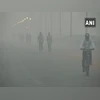 "Images show Indo-Gangetic Plains enveloped in smoky haze due to poor AQ")
Explore Business Standard

Associate Sponsors
Co-sponsor
Even cities and towns as far as Byrnihat (293) in Assam and Agartala (224) in Tripura had poor air quality
An air quality crisis gripped the Indo-Gangetic plains from Amritsar in Punjab to Purnia in West Bengal on Monday, causing inconvenience to approximately 40 per cent of the country's population residing in the region.
Satellite images showed a layer of smoky haze blanketing the entire IGP region.
Sri Ganganagar (AQI -- 310), Churu (308), Bharatpur (319), Bhiwadi (433), Dholpur (357), and Hanumangarh in Rajasthan; Faridabad (412), Fatehabad (422), Jind (381), Hisar (377), Bhiwani (335), Sonipat (417), and Gurugram (373) in Haryana recorded hazardous air quality on Monday.
The air quality in Punjab, where a large number of farmers burn stubble in a bid to quickly prepare their fields for the next crop, was equally poor. Amritsar (316), Bhatinda (288), Jalandhar (222), Khanna (225), Ludhiana (282), and Mandi Gobindgarh (256) in the state recorded poor to very poor air quality.
Ghaziabad (391), Greater Noida (420), Meerut (354), Bulandshahr (243), Hapur (332), Lucknow (251), Muzaffarnagar (340), and Noida (384) in Uttar Pradesh reported hazardous air pollution.
Patna (265), Arrah (276), Rajgir (312), Saharsa (306), Samastipur (276), and Kishanganj (249) in Bihar experienced similar conditions. Dhanbad (255) in Jharkhand and Asansol (215) in West Bengal also recorded hazardous air pollution levels.
Even cities and towns as far as Byrnihat (293) in Assam and Agartala (224) in Tripura had poor air quality.
Not just the IGP, parts of central, west, and east India, including Gwalior (286), Katni (216), and Indore (214) in Madhya Pradesh, Navi Mumbai (261) and Ulhasnagar (269) in Maharashtra, Ankleshwar (216) in Gujarat, and Angul (242) in Odisha, reported poor air quality as well.
While unfavourable meteorological conditions, geographical location, and post-harvest paddy straw burning are major reasons for poor air quality in the IGP during winters, poor air quality in other places can be attributed to local factors such as industries, vehicles, dust pollution, and open burning of waste.
(Only the headline and picture of this report may have been reworked by the Business Standard staff; the rest of the content is auto-generated from a syndicated feed.)
First Published: Nov 06 2023 | 10:18 PM IST

