
India to get $25 mn from G20 Pandemic Fund to support animal health system
The other interventions include strengthening health security for transboundary animal diseases and India's role in regional cooperation through cross-border collaboration
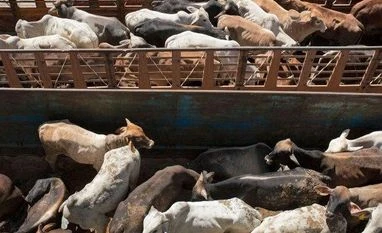 "India to get $25 mn from G20 Pandemic Fund to support animal health system")
Explore Business Standard

Associate Sponsors
Co-sponsor
The other interventions include strengthening health security for transboundary animal diseases and India's role in regional cooperation through cross-border collaboration
India will receive USD 25 million from the G20 Pandemic Fund for strengthening animal health system of the country.
The fund that was established under Indonesia's G20 Presidency is targeted at low-to middle-income countries to finance efforts like surveillance, research, and better access to vaccines, among others measures.
According to the Ministry of Fisheries, Animal Husbandry and Dairying, the G20 Pandemic Fund has approved India's USD 25-million proposal for strengthening animal health security in the country for pandemic preparedness and response.
The major interventions to be taken under the proposal include: strengthening and integrating disease surveillance and early warning system; upgrading and expanding the laboratory network; improving the inter-operable data systems and building capacity for data analytics for risk analysis and risk communication, the ministry said in a statement.
The other interventions include strengthening health security for transboundary animal diseases and India's role in regional cooperation through cross-border collaboration.
The Pandemic Fund received around 350 Expressions of Interest (EoI) and 180 full proposals in the first call with grant requests totalling more than USD 2.5 billion against an envelope of only USD 338 million.
The Pandemic Fund's Governing Board has approved "19 grants" under its first round of funding allocations aimed to boost resilience to future pandemics in 37 countries across six regions on July 20, the ministry added.
The Pandemic Fund will bring additional, dedicated resources for pandemic prevention, preparedness, and response. Also, it will incentivise increased investments, enhance coordination among partners, and serve as a platform for advocacy.
The impact of the project would be to reduce the risk that a pathogen will emerge from animals (domesticated and wildlife) to be transmitted into the human population endangering the health, nutritional security, and livelihoods of vulnerable populations.
The project will be implemented in collaboration with the Asian Development Bank (ADB) as the lead implementing entity with The World Bank and the Food and Agriculture Organization (FAO), the ministry said.
The devastating human, economic, and social cost of COVID-19 has highlighted the urgent need for coordinated action to build stronger one-health systems and mobilize additional resources for pandemic prevention, preparedness, and response.
In the past few decades, five out of the six WHO? declared public health emergencies of international concern were of animal origin. Consequently, it has become evident that any pandemic preparedness and response (PPR) needs a 'One Health' approach with a focus on animal health security, it added.
(Only the headline and picture of this report may have been reworked by the Business Standard staff; the rest of the content is auto-generated from a syndicated feed.)
First Published: Aug 21 2023 | 4:21 PM IST

