Rural two-wheeler sales race past urban markets in a first since Covid

Two-wheeler makers are betting on a rise in 'first-time buyers' and a rise in rural demand to drive growth in FY25
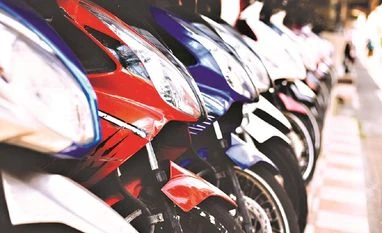
For the first time since Covid-19, growth in two-wheeler sales in rural India has surpassed that in urban areas during the April to July period this year. The two-wheeler industry grew by 13.5 per cent during this period, with rural sales increasing
Shine JacobSohini Das Chennai/Mumbai
4 min read Last Updated : Aug 25 2024 | 11:34 PM IST
For the first time since Covid-19, growth in two-wheeler sales in rural India has surpassed that in urban areas during the April to July period this year. The two-wheeler industry grew by 13.5 per cent during this period, with rural sales increasing by 14.5 per cent compared to 12 per cent growth in urban areas.

“This is primarily because the economic situation in rural areas is improving and there is a significant infrastructural push from the government,” said Yogesh Mathur, director of sales and marketing at Honda Motorcycle and Scooter India (HMSI).

According to data from Jato Dynamics, rural growth has been trailing urban sales growth since the first quarter of 2018-19, only to surpass it in the first quarter of FY24 when rural growth was 5 per cent compared to urban growth of around 2 per cent. But in Q1FY25, rural growth significantly outpaced urban growth, with rural sales increasing by 18 per cent compared to 10 per cent for urban areas.

Ravi Bhatia, president and director of Jato Dynamics, said two-wheeler sales had traditionally been higher in urban areas compared to rural ones. “There was a sharp decline in two-wheeler sales in Q1FY21 due to the pandemic. However, the market has been recovering consistently, and in Q1FY25, we are seeing sales almost at the same level as Q1FY20,” he said.

According to Chennai-based TVS Motor Company, the two-wheeler market is expected to see double-digit growth during the current financial year.

“We are seeing the rural markets picking up, with the rural proportion of two-wheeler sales now almost 52 per cent, compared to 48 per cent for urban areas,” said K N Radhakrishnan, chief executive officer (CEO) of TVS Motor.


He said the government’s focus on infrastructure investments and improving roads had created a huge opportunity for the sector. “I believe the sector will see a compound annual growth rate of at least 10 per cent,” he said.

Two-wheeler manufacturers are banking on an increase in ‘first-time buyers’ and rising rural demand to drive growth in this financial year.

This demand growth in rural areas is supported by forecasts of a normal monsoon and upcoming new product launches.

During Hero MotoCorp’s first-quarter earnings call, its Chief Financial Officer Vivek Anand expressed optimism about the growth prospects for the industry. “With a faster recovery expected in the rural segment, the ramp-up of our 125cc portfolio, and strong investment in building power brands, we expect to outpace the industry’s growth,” Anand said.

Ranjivijit Singh, chief business officer of Hero MotoCorp’s India business unit, also hinted at an uptick in rural areas. “It’s definitely a more balanced growth overall, with rural markets leading the way,” Singh said, adding that they continue to see strong interest from first-time buyers in rural areas.

Hero brands like HF Deluxe and Splendor are getting bulk of the interest and conversion in rural markets. Singh said even the 125cc segment performed well in these areas.

Niranjan Gupta, CEO of Hero MotoCorp, is also upbeat about the positive sentiment in rural markets, which he said is reflected across more product categories. “So the signs are extremely positive for a strong festive season, and we are gearing up for that,” he said during the earnings call.

Anurag Singh, managing director at Primus Partners, a management consultancy firm, said the rural economy was benefiting from good monsoons, increased government spending, technological adoption in agriculture, e-commerce access, favourable MSPs, and good prices for services and labour.

“This has boosted rural incomes, making motorcycles a top purchase choice. Motorcycles offer essential mobility, support economic activities, symbolise improved status, and are more affordable with better financing options. The growing demand for motorcycles is a direct result of rising rural prosperity,” Singh said.

One subscription. Two world-class reads.

Already subscribed? Log in

Subscribe to read the full story →
*Subscribe to Business Standard digital and get complimentary access to The New York Times

Smart Quarterly

₹900

3 Months

₹300/Month

SAVE 25%

Smart Essential

₹2,700

1 Year

₹225/Month

SAVE 46%
*Complimentary New York Times access for the 2nd year will be given after 12 months

Super Saver

₹3,900

2 Years

₹162/Month

Subscribe

Renews automatically, cancel anytime

Here’s what’s included in our digital subscription plans

Exclusive premium stories online

  • Over 30 premium stories daily, handpicked by our editors

Complimentary Access to The New York Times

  • News, Games, Cooking, Audio, Wirecutter & The Athletic

Business Standard Epaper

  • Digital replica of our daily newspaper — with options to read, save, and share

Curated Newsletters

  • Insights on markets, finance, politics, tech, and more delivered to your inbox

Market Analysis & Investment Insights

  • In-depth market analysis & insights with access to The Smart Investor

Archives

  • Repository of articles and publications dating back to 1997

Ad-free Reading

  • Uninterrupted reading experience with no advertisements

Seamless Access Across All Devices

  • Access Business Standard across devices — mobile, tablet, or PC, via web or app

Topics :two wheelerChennaiAuto industryHonda Motorcycle & Scooter India

Next Story



