
Hungary's PM visits Ukraine for talks with Zelenskyy, first since war began
This visit comes the day after Hungary took over the six-month rotating presidency of the European Union
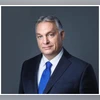 "Hungary's PM visits Ukraine for talks with Zelenskyy, first since war began")
WebinarsNew
Deep DiveNew
Explore Business Standard
This visit comes the day after Hungary took over the six-month rotating presidency of the European Union
Hungarian Prime Minister Viktor Orbn was in Kyiv on Tuesday for talks with Ukrainian President Volodymyr Zelenskyy, his first visit to the country since Russia's full-scale invasion in February 2022.
Orbn's press chief confirmed to Hungarian news agency MTI that the prime minister had arrived in the Ukrainian capital in the morning for the talks. Bertalan Havasi said the main topic of the rare meeting will be the opportunity for building peace as Ukraine fights off Russia's invasion.
This visit comes the day after Hungary took over the six-month rotating presidency of the European Union, a position that has little real power but can be used to set the tone of the bloc's agenda. Hungarian officials have indicated that they will act as honest brokers in the role despite worries from some EU lawmakers that Hungary's democratic track record makes it unfit to lead the bloc.
Orbn, known as Russian President Vladimir Putin's closest EU ally, has long been accused by his European partners of dismantling democratic institutions at home and acting as an obstinate spoiler of key EU policy priorities.
The bloc has frozen more than USD 20 billion in funding to Budapest over alleged rule-of-law and corruption violations, and Orbn has conducted numerous anti-EU communications campaigns depicting it as an overcentralized, repressive organization.
He has also routinely blocked, delayed or watered down EU efforts to extend assistance to Kyiv and to sanction Moscow over its war, frustrating both Zelenskyy other EU leaders. Orbn has long accused Kyiv of mistreating an ethnic Hungarian minority in Ukraine's western region of Zakarpattia.
Orbn's visit also comes as he seeks to recruit members into a new nationalist alliance that he hopes will soon become the largest right-wing group in the European Parliament. On Sunday, Orbn met in Vienna with the leaders of Austria's far-right Freedom Party and the main Czech opposition party, announcing the formation of the new group, Patriots for Europe."
The trio would need to attract lawmakers from at least four more EU countries to successfully form a group in Europe's new parliament, which held elections in June.
Right-wing nationalist parties across Europe strengthened their position in the elections, but ideological differences over the war in Ukraine and cooperation with Russia have often prevented deeper cooperation among some of the parties.
(Only the headline and picture of this report may have been reworked by the Business Standard staff; the rest of the content is auto-generated from a syndicated feed.)
First Published: Jul 02 2024 | 1:50 PM IST

