


Indian women voters find their voice, step out of the electoral closet
As political parties continue to scramble to design women-friendly welfare schemes and campaign speeches, women have begun to wield their vote as an instrument of assertion
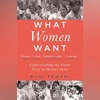 "What Women Want: Understanding the Female Voter in Modern India")
premium
What Women Want: Understanding the Female Voter in Modern India
5 min read Last Updated : Nov 18 2025 | 11:28 PM IST


Listen to This Article
What Women Want: Understanding the Female Voter in Modern India
by Ruhi Tewari
Published by Juggernaut
272 pages ₹599
The news that women recorded the highest voter turnout in Bihar’s history, well above that of men, reaffirms the growing belief that the female political identity is one of the most compelling forces shaping India’s democracy.
It has been a long time coming. In the run-up to the 2014 general elections, while reporting on the “Modi fever” that had seemingly gripped women voters in Gujarat, many women across age and income groups told me that Narendra Modi was the only leader they had revered since Indira Gandhi and that no one had given them such a sense of “self-confidence and safety”.
A few compared him to a Bollywood star, while others associated him with “positive development”. Neutral political observers were struck by how vocal women voters had become.
One thing was clear: women voters had finally emerged into the public eye as a collective electoral force— more visible and self-assured about their political choices than ever before.
More than a decade later, we have a lot more data to prove it. What Women Want: Understanding the Female Voter in Modern India by journalist Ruhi Tewari comes at a good time, combining data with reportage to trace the journey of the female voter from the margins to the centre of public and political attention.
Drawing on years of political reporting, Ms Tewari unpacks the motivations of the woman voter. She threads together quick snapshots of their lives across the country and the very basic needs that drive their electoral choices.
Take Amsa Amma from Hyderabad, for example. She cast her first vote in 1977, during the turbulent Emergency years. She recalls listening to heated political discussions among the men while she and other women brewed them endless cups of tea. When she voted, she simply did as she was told. Today, that same woman voter has moved from the side-lines to the centre of electoral politics, policymaking, and welfare debates, asserting her democratic rights.
Among the many questions the book answers are how voters have been mobilised over the decades, and how their voting behaviour has evolved with India’s shifting social and political landscape. The book also details how political leaders across parties and regions have come to woo women voters with all their might.
As political parties continue to scramble to design women-friendly welfare schemes and campaign speeches, women have begun to wield their vote as an instrument of assertion. They have also developed “a sharp radar for unfulfilled promises. They are voting based on delivery and not declarations...,” Ms Tewari writes.
To be sure, patriarchy and gender biases continue to be major barriers, the book notes cautiously. The political courting of women is often more strategic than sincere. Yet, the rise of the woman voter, giving one half of the country a unique bargaining power, is a story that deserves in-depth exploration. If not the politicians, What Women Want is certainly sincere in that attempt.
The book traces the evolution of the Indian woman voter across four phases: 1951–84, 1984–2004, 2004–14, and 2014 onwards. The journey began with a culture of indifference, when women voters lacked both identity and agency. The assassination of Indira Gandhi marked a turning point, spurring women to step out and vote in greater numbers. With the rise of self-help groups and cooperatives, women became more engaged in politics, prompting leaders to invest in them.
With initiatives like the Women’s Reservation Bill and the National Maternity Benefit Scheme, women began to occupy a more prominent place in policy making. The Election Commission also took concrete steps to boost women’s participation in the electoral process, including providing toilets near polling stations. Then came the Mahatma Gandhi National Rural Employment Guarantee Act (MGNREGA) revolution, which catalysed women’s political involvement by boosting financial independence and shifting socio-economic dynamics within and outside homes.
From 2014 onwards, this trend deepened. Schemes like Beti Bachao, Beti Padhao and the Swachh Bharat Mission with its focus on household toilets, boosted women’s engagement with politics, adding long-term empowerment to the mix.
Large sections of the book examine how welfare schemes for women have fared — from cash transfers to freebies — and how it helped various parties stay in power. The book looks at the transformation of the woman voter through chapters such as Freebies, Her Favourite Politician, and Caste, Faith and the Female Electorate, covering fair ground for a lay reader.
As the book notes, the glass is only half-full. Meaning, the rise of the woman voter is one half of the story of the modern Indian woman in politics. Perhaps some years from now, when women are adequately represented in political decision-making in Parliament, a second volume of this book can unpack How Women in Indian Politics Lead.
The reviewer is an independent journalist and author who reports on public health, policy, gender and culture for global publications.
Topics : BOOK REVIEW Elections voting Women leaders