According to Sitharaman the seven engines driving PM Gati Shakti are: roads, railways, airports, ports, mass transport, waterways, and logistics infrastructure. But the only concrete announcement for mobilizing resources for this ambitious programme was for Gadkari’s ministry. Sitharaman stated that Rs 20,000 crore would be mobilized for developing 25,000 kms of highways through ‘innovative ways’ in addition to budgetary allocations in 2022-23. No specific funding mechanisms were elaborated upon by the finance minister for the six other ‘engines.’
In fact, Gadkari’s ministry has been allocated almost Rs 2 trillion to spend on capital works – much higher than the Rs 1.6 trillion sanctioned to the ministry of defence for its capital expenses that include upgradation and purchase of new weaponry for the armed forces.
The ministry of railways - another crucial cog in the PM Gati Shakti wheel was allocated Rs 1.4 trillion with no specific references to alternative sources of spending or building new railway tracks. The budget, though, has envisaged building 100 cargo railway terminals and introducing 400 new age Vande Bharat trains. While the 25,000 kms highways under Gadkari’s watch will be completed in this financial year, the railways projects will not be completed before 2025.
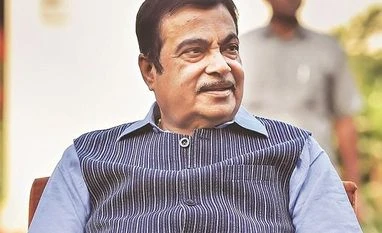
Gadkari has also spearheaded PM Gati Shakti after its announcement by Modi last year. In January 2022, Gadkari organized a conference of chief ministers of southern states – the first of its kind by any minister whose ministries will be part of the project.


 "Nitin Gadkari")