The 44.4-metre-tall, four-stage PSLV-C62 was carrying about 16 satellites. Among them was EOS-N1, also known as Anvesha, developed by the Defence Research and Development Organisation (DRDO). Anvesha is understood to be a hyperspectral earth imaging satellite intended for strategic defence applications as well as civilian uses, including agricultural monitoring, urban mapping and environmental assessment.
The mission aimed to deploy the satellites into a 512 km sun-synchronous orbit after a flight of approximately 17 minutes.
Disturbances in the rocket and a subsequent deviation from the planned flight path were observed when the strap-on motors were providing thrust during the third stage to propel the vehicle to the intended altitude, Isro Chairman V Narayanan said, adding that a detailed analysis had been initiated to determine the cause.
This marked the second consecutive underwhelming PSLV mission, following the failure of PSLV-C61 to place the EOS-09 satellite into orbit on May 18, 2025. That mission had also failed due to problems during the third stage. While the losses from Monday’s mission are yet to be assessed, sources told Business Standard that last year’s failure cost Isro about ₹1,255 crore in total, including launch expenses, with the satellite itself valued at roughly ₹850 crore.
Even so, Monday’s setback was only the fifth failure in 64 PSLV launches so far, a record regarded as a significant achievement by global standards.
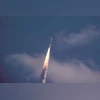
“The PSLV is a four-stage vehicle with two solid stages and two liquid stages. The performance of the vehicle up to the end of the third stage was as expected. Close to the end of the third stage, we are seeing a little more disturbance in the vehicle roll rates, and subsequently there is a deviation observed in the flight path. We are analysing the data and we shall come back at the earliest,” said Narayanan. The launch took place at about 10.18 am from the Satish Dhawan Space Centre in Sriharikota and had been positioned as a comeback mission for the launch vehicle.
The other 15 satellites on board included payloads from companies and institutions such as Dhruva Space, OrbitAid, Don Bosco University, Nepal University Antharkshya Pratishtan, Orbital Paradigm and AlltoSpace.
“The space industry is known for such successes and failures. I believe that the reason for failure this time is not because of the same issue that we faced last time,” said Lt Gen A K Bhatt (retd), director general of the Indian Space Association (ISpA).
The mission was a commercial launch undertaken by NewSpace India, with plans to inject EOS-N1 and other co-passenger satellites into a sun-synchronous orbit, and to place the KID Capsule on a re-entry trajectory.


 "Isro")