In the state, 207 schemes spanning 11 departments — including 113 central and 94 state-sponsored schemes — operate under the DBT framework. Nearly 91 million people receive payments totaling over ₹1.11 trillion annually, saving the state government ₹10,000 crore.
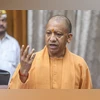
Speaking in the UP Vidhan Sabha, Adityanath termed DBT a “decisive blow against corruption.”
Under DBT, beneficiary funds are deposited directly into bank accounts, eliminating middlemen and reducing corruption.
UP also leads the country in digital transactions, recording ₹1,024 crore till December in the current financial year (FY25), compared to transactions worth ₹123 crore in FY18. More than half of these transactions were conducted via the Unified Payments Interface (UPI), India’s instant real-time payment system developed by the National Payments Corporation of India.
Banking services in the state are widely accessible, with 20,416 banks, 18,747 ATMs, and over 400,000 'Bank Mitras' and business correspondents, including 127,000 correspondents under Airtel Payments Bank — 25.000 of whom are women.
The state’s banking sector has also strengthened, with total bank deposits surging from ₹12.75 trillion in FY17 to ₹29.66 trillion in FY25. The credit-deposit ratio has improved from 45 per cent in FY17 to 61 per cent in FY25, with 16 per cent of project funding sourced from banks and financial institutions.


 "Yogi Adityanath, yogi, UP CM")

