


HydraFacials to botox: How India's wedding rush is powering a beauty boom
As India's wedding season begins, demand for quick, non-surgical beauty treatments surges - from HydraFacials and Botox to Ultherapy and PRP - promising glow without downtime
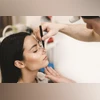 "Cosmetics")
premium
Family members, too, are embracing microneedling radiofrequency (MNRF) and subtle anti-aging injectables to refresh their appearance before the celebrations.
4 min read Last Updated : Oct 12 2025 | 11:58 PM IST
Listen to This Article
As India’s peak wedding season approaches, dermatology and aesthetic clinics across the country are witnessing a significant rise in demand for minimally invasive and non-surgical cosmetic treatments.
From HydraFacials and laser toning to Botox, fillers, and skin boosters, individuals are increasingly turning to quick, low-downtime procedures. They want to look their best for wedding festivities and pre-wedding photoshoots.
According to Gagan Raina, medical and clinical director, Cosmetologist and Aesthetic Medicine Specialist at Arisia Skin Clinic, demand typically rises by 25–35 per cent during the wedding season, starting nearly two months before major ceremonies.
“The surge is driven by people seeking quick, visible, and low-downtime results. With social media influence and pre-wedding photography trends, more brides, grooms, and even family members are investing in non-surgical skin rejuvenation and facial contouring that deliver natural results without the risks of surgery,” he said.
At Arisia, the most popular choices among brides include HydraFacials, laser toning, dermal fillers, and Ultherapy for non-invasive lifting. Grooms opt for laser hair removal, carbon facials, and PRP or exosome-based rejuvenation.
Family members, too, are embracing microneedling radiofrequency (MNRF) and subtle anti-aging injectables to refresh their appearance before the celebrations.
Echoing this trend, Sunita Naik, dermatologist at Kaya Clinic, said the appeal lies in convenience. “People are gravitating towards ‘lunch break laser treatments’, 25 to 30 minute sessions that fit easily into packed schedules. Technologies like Neo Elite’s 650-microsecond laser offer visible results without redness or irritation, addressing acne, pigmentation, uneven tone, and skin tightening all without downtime,” she said.
Naik noted that dermatologists are increasingly customising quick yet effective pre-wedding skincare plans for both brides and grooms. “While brides usually start months in advance for a radiant glow, grooms prefer shorter sessions for rejuvenation and tan removal. Even parents are now opting for these facials for that natural, camera-ready radiance,” she added.
Debraj Shome, co-founder and director of The Esthetic Clinics, said enquiries typically peak two to three months before ceremonies. “Couples today prefer subtle enhancements over dramatic makeovers. Treatments like Botox, fillers, Ultherapy, and PRP are being combined with lasers and peels for texture and glow. QR678 for hair restoration has also become popular among both brides and grooms,” he said.
QR678 is a non-surgical hair regrowth treatment that involves injecting a growth factor formula into the scalp to stimulate dormant hair follicles, promoting thicker and healthier hair growth.
He also added that careful planning is key, “Procedures should be timed strategically, with no aggressive resurfacing close to the wedding. Safety, product authenticity, and realistic expectations are essential. The focus now is on natural enhancement, not transformation.”
The preference for minimally invasive procedures extends beyond couples. Mikki Singh, founder and medical director of Bodycraft Clinics, said that metro cities such as Delhi, Mumbai, and Bengaluru are leading this trend, with non-surgical treatments growing 12 to 15 per cent year-on-year (Y-o-Y). “Brides make up about 69 per cent of all pre-wedding cosmetic bookings, but family members are catching up fast, especially with quick, no-downtime options like high intensity focused ultrasound, photo facials, and IV drips,” she said.
Similarly, Sagar Gujjar, founder of The Skinwood Luxury Aesthetic Centre, reported a 25–30 per cent seasonal spike in demand. “Brides are choosing HydraFacial Syndeo, Advalight Yellow laser, and injectable skin boosters like Profhilo. Grooms increasingly go for Emerald Laser for fat reduction, while family members opt for laser toning and Ultherapy to look their radiant best without appearing ‘done’,” he said.
Industry data supports this boom. Nilaya Varma, co-founder and group chief executive officer (CEO) of Primus Partners, said, “India’s aesthetic injectable market was valued at $232.9 million in 2023, while the non-invasive aesthetic treatment segment stood at $1.9 billion. With growing awareness, technological innovation, and a rise in medical tourism, these markets are expected to grow at a compound annual growth rate (CAGR) of 15 per cent and 19.2 per cent, respectively, through 2030.”
As the line between wellness and beauty continues to blur, non-surgical aesthetic treatments are becoming an integral part of wedding preparations. Whether it’s a bride seeking a luminous glow, a groom sculpting his jawline, or parents opting for subtle rejuvenation, India’s wedding season glow is now increasingly powered by science, not makeup.
Topics : Weddings Beauty market skincare cosmetics industry